Tensor Art Video Generator Free — No Login
Run a documented motion experiment with Tensor Art on King AI.
Record Every Video Experiment as Evidence
Document inputs, variables, observations, and conclusions another reviewer can follow.
Assign an Identifier to Every Attempt
Tensor Art experiments begin with a question, source checksum, prompt version, and list of constants. Give the first Tensor Art run a stable identifier so later observations refer to a precise artifact.
- Register source provenance
- Version the prompt
- List unchanged settings

Alter One Parameter Within a Bounded Range
Tensor Art analysis isolates pace, camera distance, motion strength, or framing while other conditions remain constant. A narrow Tensor Art variation reveals direction more reliably than a simultaneous rewrite.
- State the test range
- Freeze unrelated inputs
- Predict an observable outcome

Separate Render Failure From Creative Evidence
Tensor Art records distinguish queue or task errors from completed videos that simply miss the hypothesis. Only a completed Tensor Art artifact enters the comparison table.
- Wait for terminal status
- Log visible anomalies
- Archive the conclusion
Tensor Art Video Experiments With Reproducible Notes
King AI supplies the render path for Tensor Art while a concise protocol keeps observations attributable.
Input Provenance
Every prompt, image, frame pair, and supported option gets connected to one attempt identifier rather than left loose in a chat history. A reviewer can reconstruct exactly what was submitted for a given Tensor Art run without relying on memory or ambiguous filenames.
Bounded Parameter Tests
A baseline gets defined first, then one measurable direction varies inside a clearly stated range rather than several settings shifting at once. Results from a test built this way reveal whether pace, camera behavior, ratio, or source guidance actually changed the observed motion.
Result Classification
Completed drafts, service failures, visual artifacts, and inconclusive outcomes get classified separately rather than lumped into one pass-or-fail bucket. Conclusions cite timestamps and preserve rejected results whenever they contain evidence useful for the next Tensor Art protocol.
Record a Tensor Art Experiment in Three Entries
A Tensor Art run proceeds through registration, controlled execution, and evidence-based classification, in that order.
Register Inputs and Constants
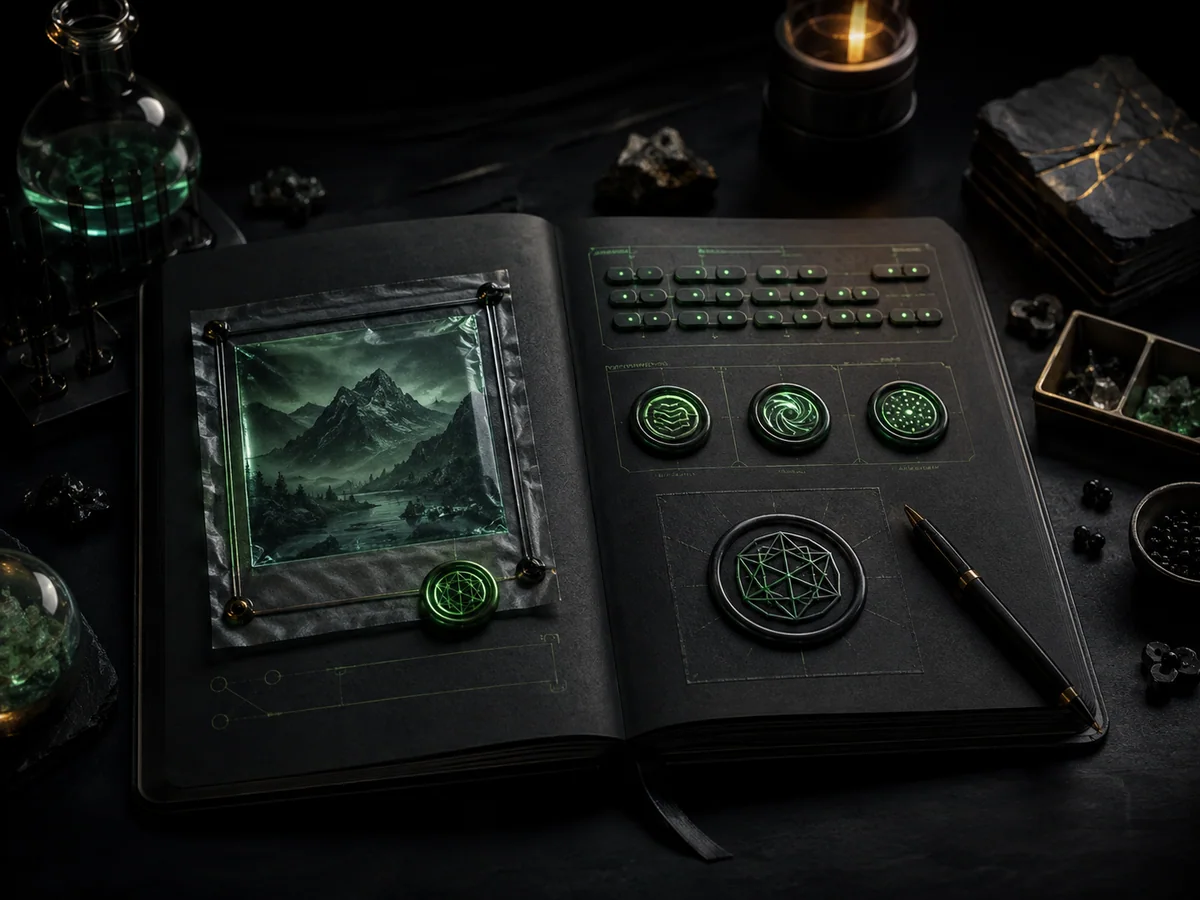
Create an attempt identifier, preserve the exact prompt, record authorized source files, and list every supported setting that must remain unchanged. A defined baseline needs to exist before any parameter test makes sense. State the hypothesis and the expected observation, then confirm the record is complete before submitting anything.
Execute the Bounded Variation
Change only the documented variable, select the intended format, and submit through the current King AI workflow. Timing can vary between attempts, so wait for a terminal task status rather than generating an accidental duplicate. Add timestamps to the log whenever processing or visible behavior needs a closer look later.
Classify the Evidence
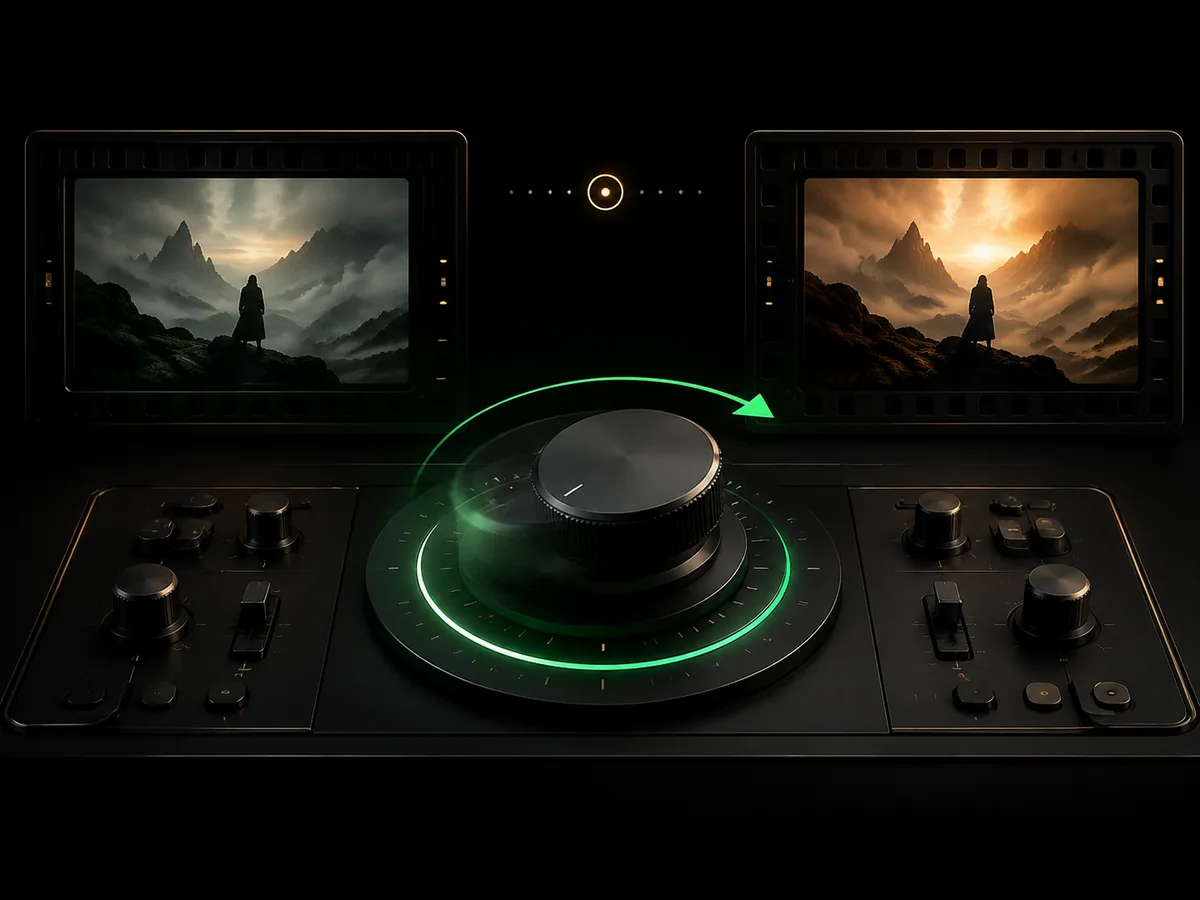
Compare completed artifacts under the same viewing conditions and mark the hypothesis supported, rejected, or inconclusive. A sound conclusion references visible frames and clearly distinguishes creative defects from service errors. Export the useful Tensor Art result with the protocol, observation table, and source provenance attached.
Tensor Art Questions for a Reproducible Video Test
Document enough evidence for another reviewer to repeat the decision.
Can Tensor Art start free without login?
The King AI workspace shows the current guest allowance before a generation request is sent, so an operator can capture that number as part of the experiment record before assigning an identifier. When the allowance covers a free attempt, Tensor Art becomes available immediately, and the interface explains what unlocks the next one.
What information belongs in an attempt identifier?
Combine a date, a sequence number, and a short hypothesis label into one identifier, then use that same string on the prompt notes and the result notes for that run. A consistent identifier is what prevents two similar Tensor Art attempts from getting confused with each other weeks later.
How is source provenance recorded?
Save the filename, its origin, the confirmed permission to use it, and a checksum when one is available, then link each source explicitly to the role it plays in the prompt. This record is what makes a Tensor Art experiment auditable if someone questions where an input actually came from.
What makes a variable properly bounded?
Define exactly which instruction or setting changes, and by how much, before generating anything, then freeze every unrelated condition at its baseline value. A Tensor Art test that changes three settings within a loosely defined range cannot support a clean conclusion about any single one of them.
Can a reference image be part of the baseline?
Yes; reuse the same authorized file and crop across every attempt in the series, and verify orientation before each submission. Any drift in the source image introduces a second, untracked variable into what was meant to be a single-variable Tensor Art test.
How should a task failure be logged?
Record the terminal status as a service outcome, not as a creative result, and retry only through the visible workflow rather than assuming the request simply vanished. Keeping that distinction clear stops a failed queue entry from quietly contaminating the result counts for a Tensor Art run.
Which observations need timestamps?
Mark motion onset, identity drift, camera jumps, and any continuity break, and connect each timestamp back to the specific hypothesis it addresses. A Tensor Art log built this way lets a second reviewer jump straight to the relevant second instead of rewatching the whole clip.
Does Tensor Art train or upload custom models here?
No; this page uses prompts and supported visual inputs inside the existing King AI generator, and should not be described as a training system. Tensor Art on this page names an experiment discipline, not a separate model-training product.
How many repetitions prove a conclusion?
Treat a single result as one observation rather than universal proof, and repeat the test only when the decision at hand actually warrants the extra evidence. Overstating what one Tensor Art run demonstrates is a common way small experiments turn into unreliable habits.
What does an inconclusive result mean?
Use that label when several variables changed at once or the artifact simply cannot answer the original hypothesis either way, and write down what a cleaner test would need to fix. An honest inconclusive entry in a Tensor Art log is more useful than a forced verdict.
Can an artifact be downloaded along with its log?
Yes; download the available result and save the accompanying notes beside it, keeping the same identifier across every related file. That pairing is what lets a Tensor Art result be reproduced or re-examined without reconstructing the reasoning from memory.
Why keep rejected outputs instead of deleting them?
A rejected output often reveals a failure boundary or an ambiguous instruction that a successful result would never expose, so store a few clearly labeled examples rather than discarding them. Reviewing those alongside a completed Tensor Art run tends to improve the next protocol more than reviewing successes alone.