Krea AI Video Generator Free — No Login
Move a focused moodboard into a Krea AI video study on King AI.
Build Motion Around a Coherent Visual Thesis
Align material, light, spatial balance, and camera character before generating.
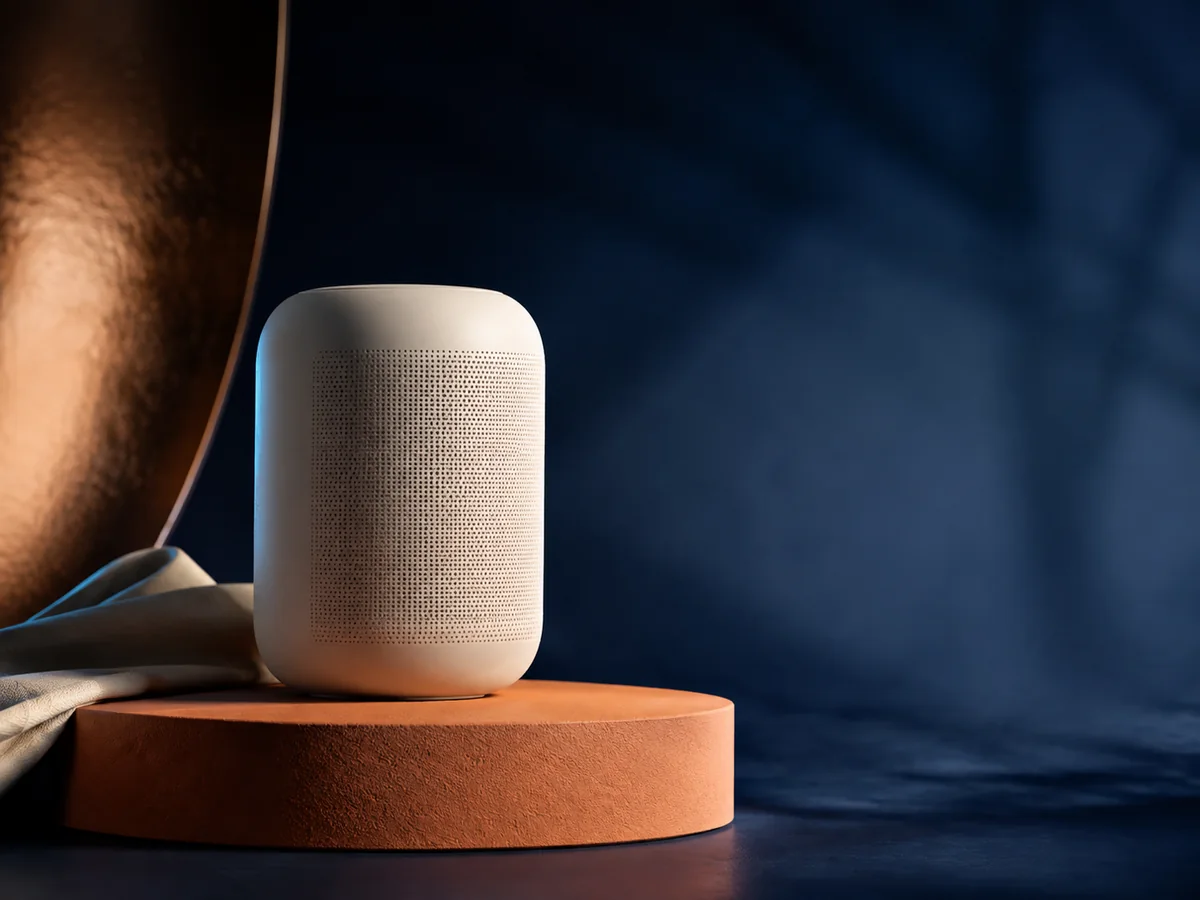
Curate References With One Visual Thesis
Krea AI art direction starts with a concise statement about material, light, space, and emotional temperature. Choose references that reinforce that thesis, then let Krea AI interpret one planned movement without mixing visual languages.
- Write the visual thesis
- Remove contradictory sources
- Name the dominant material
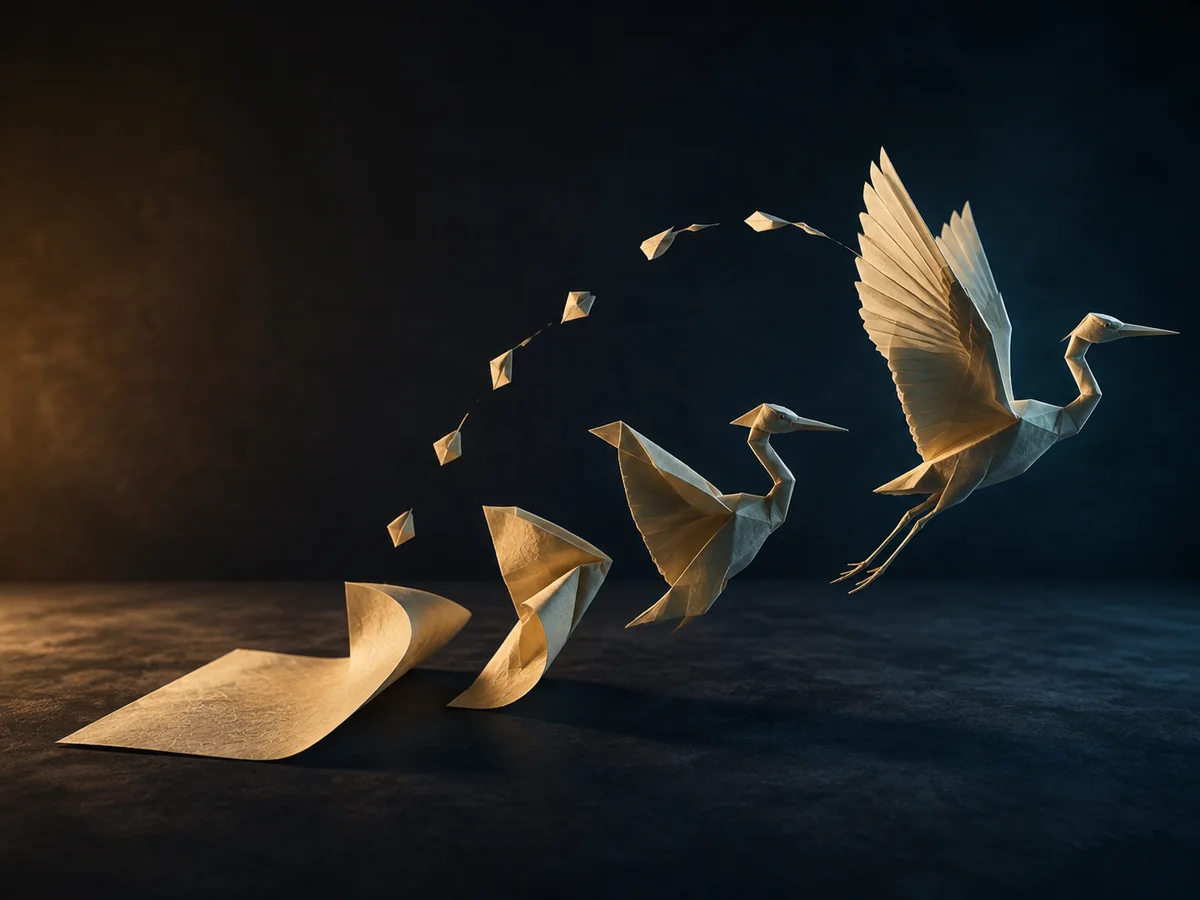
Stage the Subject Inside a Designed Frame
Krea AI composition considers mass, negative space, depth, and the route the eye should travel before motion begins. Place camera behavior around that structure so Krea AI preserves the intended balance.
- Map visual weight
- Reserve breathing room
- Choose a purposeful viewpoint
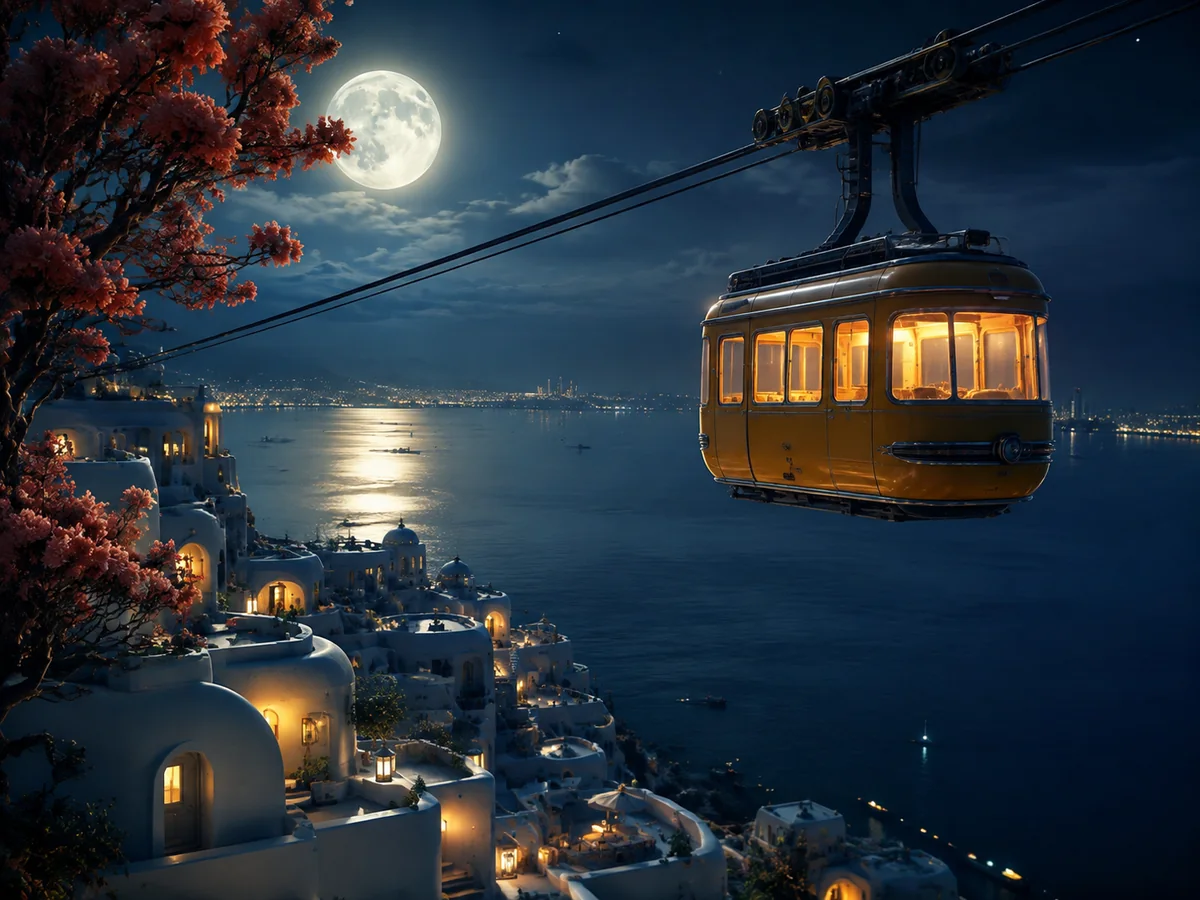
Describe How Light Behaves on Surfaces
Krea AI prompts can distinguish matte, translucent, reflective, rough, or organic surfaces through lighting behavior. Review whether Krea AI maintains material identity as the camera or subject moves.
- Name surface response
- Control highlight movement
- Inspect texture continuity
Krea AI as a Focused Moving Art-Direction Study
King AI provides the generation path while the creative brief protects a consistent Krea AI design thesis.
Reference Curation
Krea AI work begins by removing moodboard items that conflict in palette, material, period, or spatial language. Fewer but more compatible anchors let the generated draft pursue one recognizable art direction instead of splitting attention across styles that were never meant to coexist.
Designed Camera Character
A Krea AI prompt treats camera movement as part of the visual identity itself: restrained, observational, floating, architectural, or energetic, chosen deliberately rather than left as a default. Checking whether that character supports the composition, rather than fighting it, separates an intentional frame from an accidental one.
Material and Light Continuity
Results are inspected for changing reflections, crawling texture, unstable geometry, and lighting that contradicts the source references. Revision then focuses on whichever surface or illumination cue most strongly breaks the intended design, rather than adjusting everything at once.
Develop a Krea AI Study Across Three Studio Passes
A Krea AI study moves from visual thesis to directed camera work to material critique, each pass building on the last.
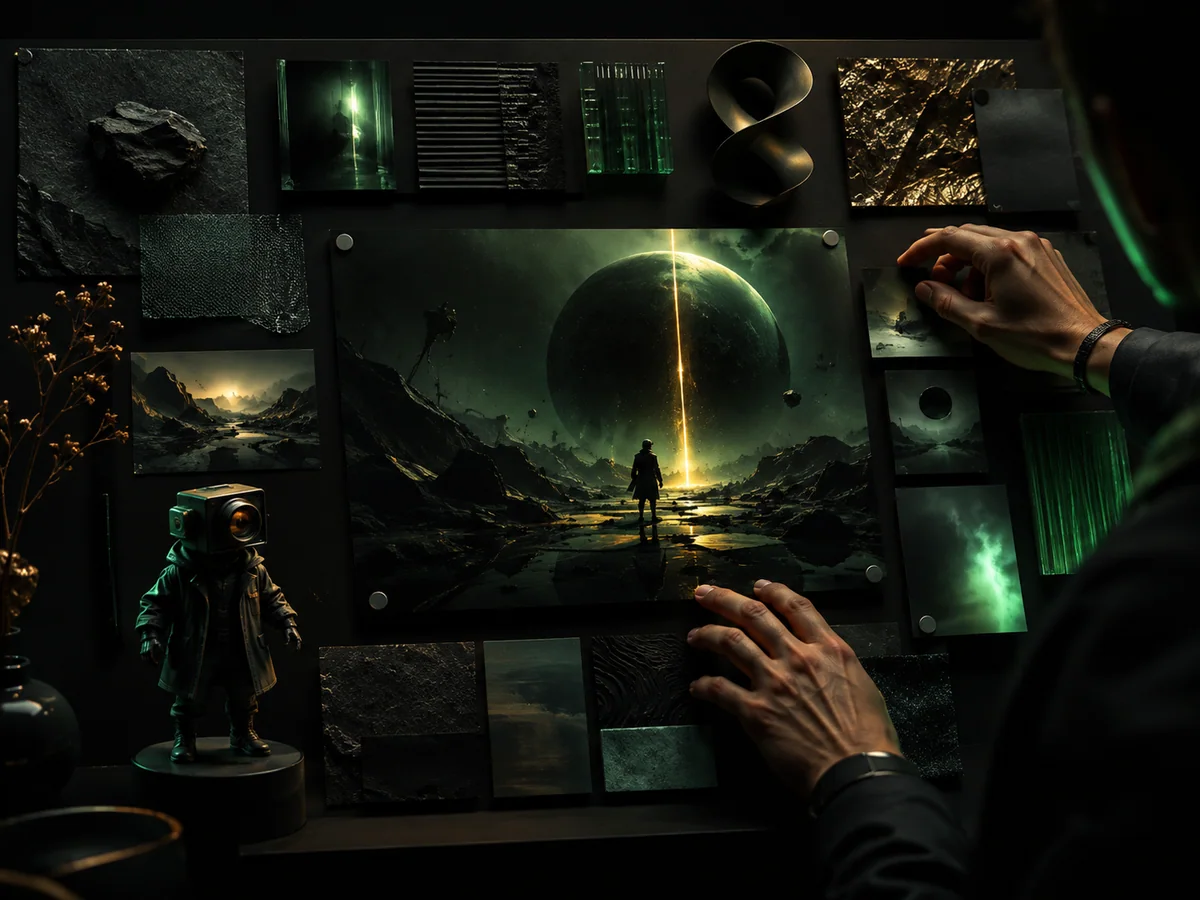
Assemble a Coherent Moodboard
Write one visual thesis and collect authorized references that agree on palette, materials, scale, and atmosphere; a collage of unrelated styles rarely helps a Krea AI generation stay coherent. Assign each source a specific job, remove redundant inspiration, and choose the opening composition that best introduces the intended design direction.
Stage Motion Around the Design
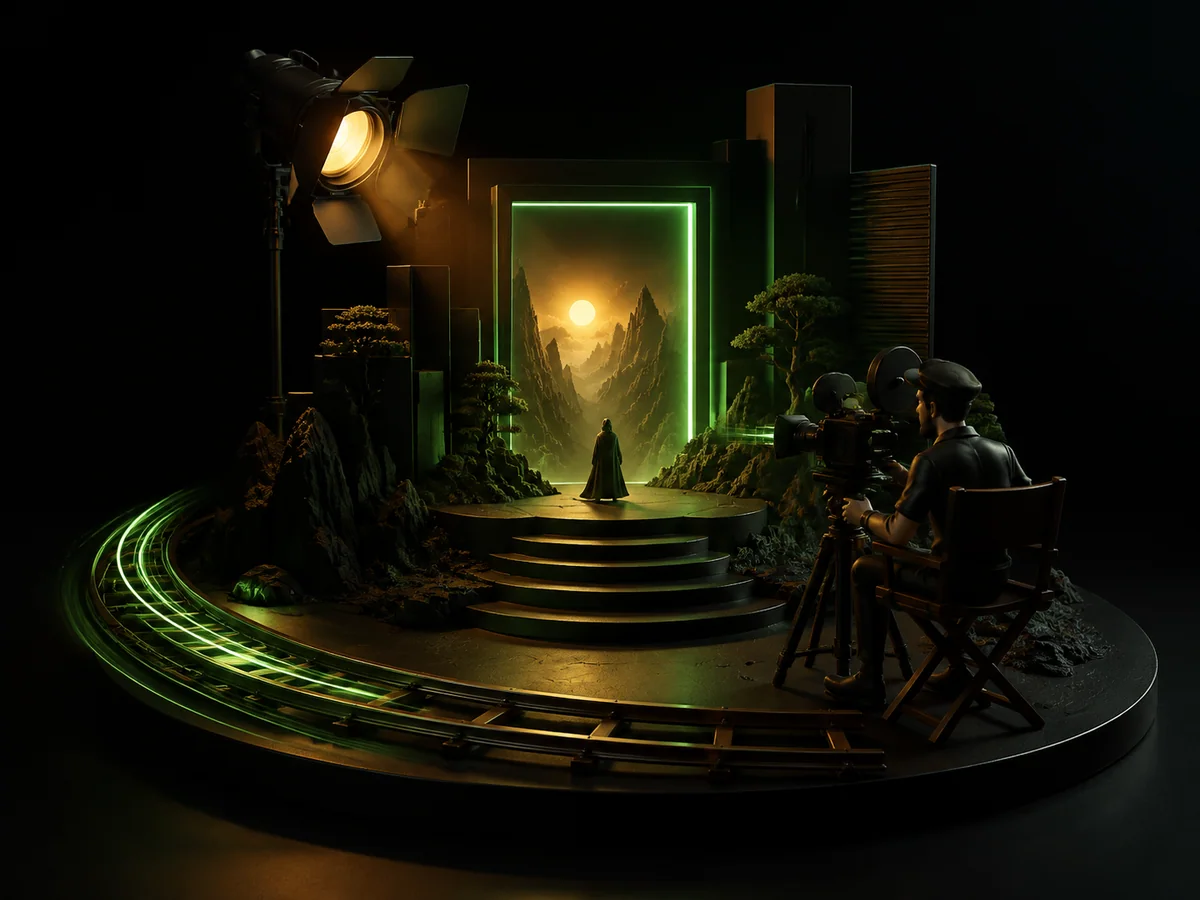
Select the supported format and describe subject action, camera character, lighting change, and pace as separate decisions rather than one long instruction. Krea AI should preserve the spatial balance established by the moodboard, so keep the first study restrained enough to reveal whether that balance actually survived the generation.
Critique Surfaces and Spatial Rhythm
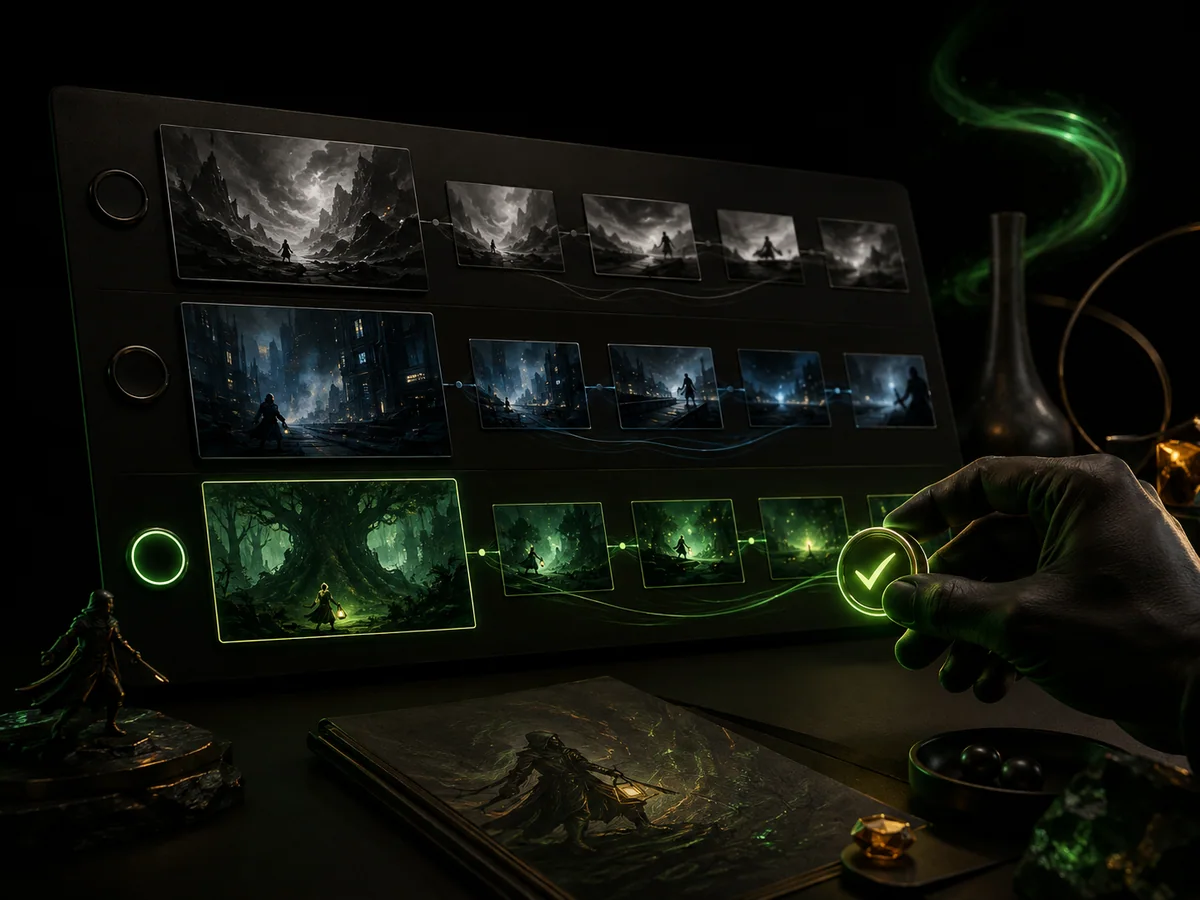
Watch the result for texture crawl, inconsistent reflections, unstable edges, depth confusion, and camera timing that weakens the composition. Correcting the single most visible design break first, before touching anything else, keeps a Krea AI iteration efficient. Export the selected study along with the visual thesis, source roles, and review notes.
Krea AI Questions for Art Directors and Designers
A coherent visual thesis makes every generation decision easier to defend.
Can Krea AI be started free with no login?
The King AI workspace displays the current guest credit allowance before a generation request goes out, so a designer can confirm free access without creating an account first. When the visible allowance covers the attempt, Krea AI becomes available immediately, and the interface explains what unlocks the next attempt once that allowance runs out.
What belongs in a visual thesis?
A workable thesis states palette, material, spatial character, light, and emotional temperature in a single sentence, then drops any adjective that would not visibly change the frame. A Krea AI brief written this tightly gives every later decision, from camera behavior to lighting, something concrete to be checked against.
How many references make a coherent moodboard?
Fewer references with clearly assigned roles beat a large pile of loosely related images; three or four sources that each answer a specific question about material, light, or composition outperform a dozen that were collected without a plan. Remove anything that introduces a conflicting period or surface before it reaches Krea AI.
Can first and last frames direct a design transition?
Yes, when the two compositions are chosen deliberately: compatible framing, a plausible material change between them, and consistent scale, camera height, and subject identity. Comparing those details before submission is what keeps a Krea AI transition readable instead of jarring.
How is camera character different from camera path?
A camera path describes where the lens physically moves; camera character describes the emotional quality of that movement, such as restrained, floating, or urgent. Naming both separately, and checking that their timing matches the composition, is what makes a Krea AI camera decision feel intentional rather than arbitrary.
What should be said about material in a prompt?
Describe how light reflects, scatters, or passes through the surface in question, rather than reaching for unsupported technical jargon that a generator cannot act on. A plain description of surface behavior gives Krea AI something concrete to render, and gives a reviewer something concrete to check afterward.
How can lighting preserve the moodboard through motion?
Identify light source direction, softness, contrast, and color temperature up front, then watch whether those qualities stay consistent as the subject or camera moves. A Krea AI draft that shifts lighting logic partway through usually breaks the emotional consistency the moodboard was built to protect.
Does Krea AI on this page offer realtime rendering or upscaling?
No; this page covers the Krea AI generation and result flow visible inside the King AI workspace specifically. Dedicated enhancement, upscaling, or realtime rendering tools are handled elsewhere and should not be assumed as part of the Krea AI workflow described here.
Which defects matter most during review?
Prioritize broken geometry, material identity loss, a weakened focal hierarchy, and disrupted camera rhythm, roughly in that order, and fix whichever a viewer would notice first. Trying to correct every minor issue in one pass usually produces a Krea AI revision that is different without being clearly better.
How should Krea AI alternatives be presented for review?
Show Krea AI candidates at the same display size alongside their thesis and source roles, and ask reviewers to point to specific evidence in the frame rather than a general impression. This turns a Krea AI critique into something a second person can verify instead of a matter of unexplained taste.
Can an approved Krea AI study be downloaded?
Yes; once a Krea AI generation completes successfully, the available download control saves the result locally, and attaching the moodboard and critique notes alongside it turns the export into a usable design package rather than an isolated file.
What rights apply to a moodboard built for Krea AI?
Confirm permission for every reference image and any depicted likeness before it enters a moodboard; drawing inspiration from a style is not the same as owning the right to reproduce a specific photograph or a recognizable person’s likeness. Treating source rights carefully keeps a Krea AI project defensible if the work is shared or published later.