

Free Kling Motion Control With No Login Required
Start free with no login, then plan Kling character motion with a clear reference and movement direction.
Reference-driven animation
Build a Clear Kling Motion Control Workflow
Kling AI motion control works best when the source character, reference movement, and intended shot are planned together. This practical Kling motion control approach keeps identity, pose, camera direction, and pacing easy to review before a final generation.
Choose a Character With a Readable Silhouette
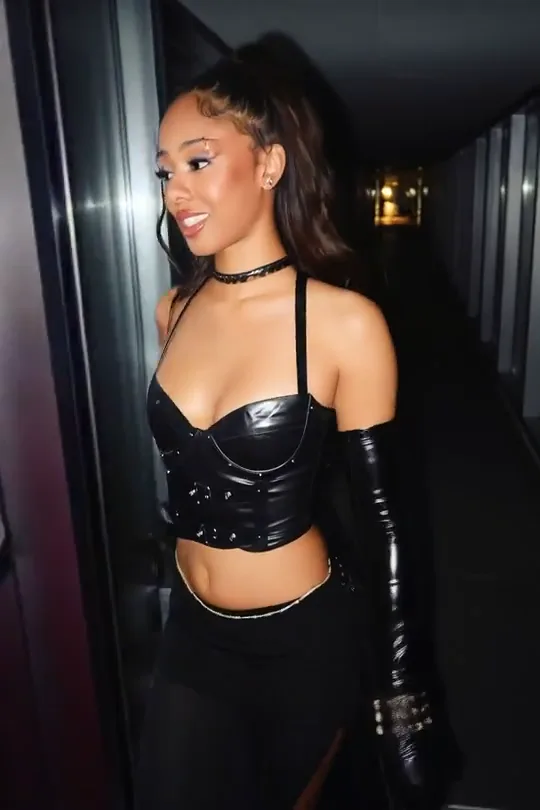
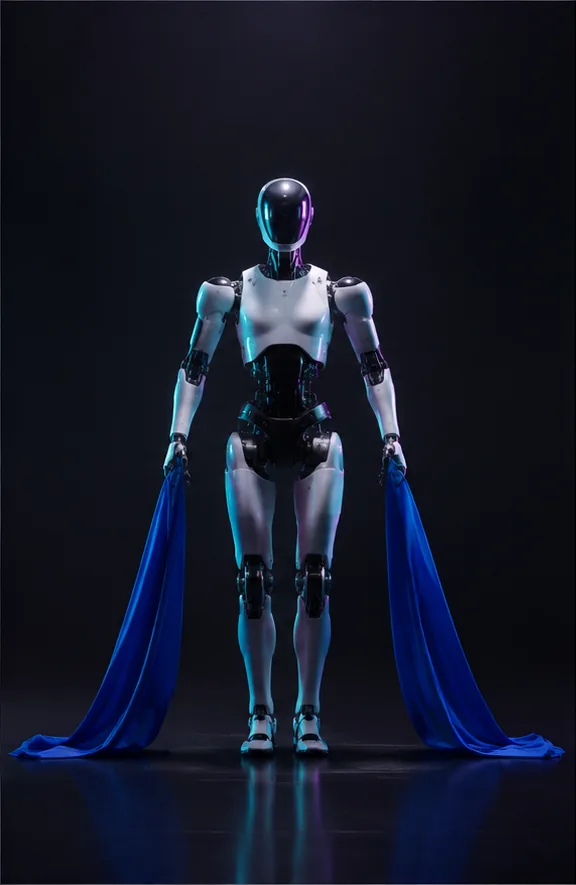
Begin Kling motion control with a clean source frame that shows the full character and separates important limbs from the background. A centered pose gives Kling motion control enough visual information to preserve identity while the movement changes. For Kling AI motion control, consistent lighting, visible hands, and an unobstructed body are more useful than a crowded cinematic frame. Treat this image as the visual anchor for every later Kling motion control decision.
- Use one clearly visible character for Kling motion control
- Keep hands, feet, and the full silhouette readable
- Avoid foreground objects crossing the body
- Match the intended framing before animation
- Use balanced light and a simple background
Select Movement That Fits the Character
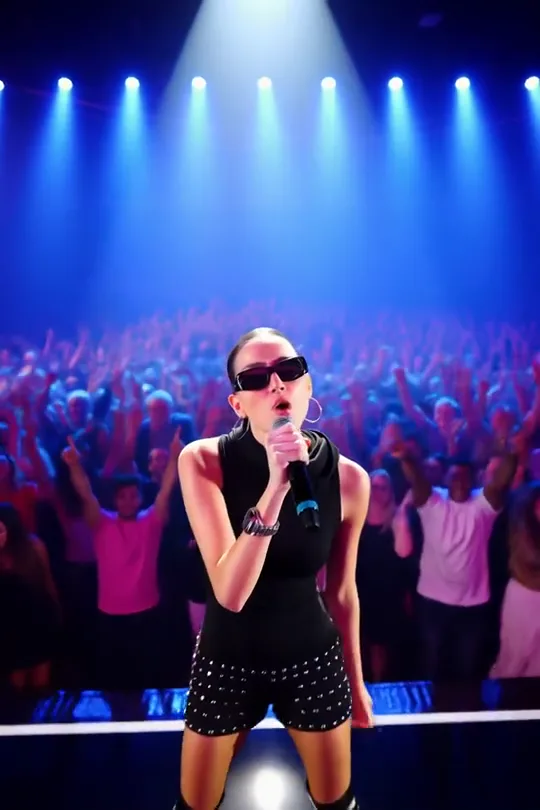
A useful motion reference has one subject, a stable camera, and a continuous action that can be understood without explanation. Kling motion control can then follow the broad rhythm instead of guessing between competing movements. When planning Kling AI motion control, compare body proportions, starting pose, direction of travel, and the amount of rotation. The strongest Kling motion control reference is not always the most dramatic clip; it is the one whose movement remains clear from beginning to end.
- Prefer continuous movement over rapid cuts
- Keep the reference performer fully in frame
- Match body orientation and starting pose
- Choose motion with a visible beginning and finish
- Review pace before using Kling motion control
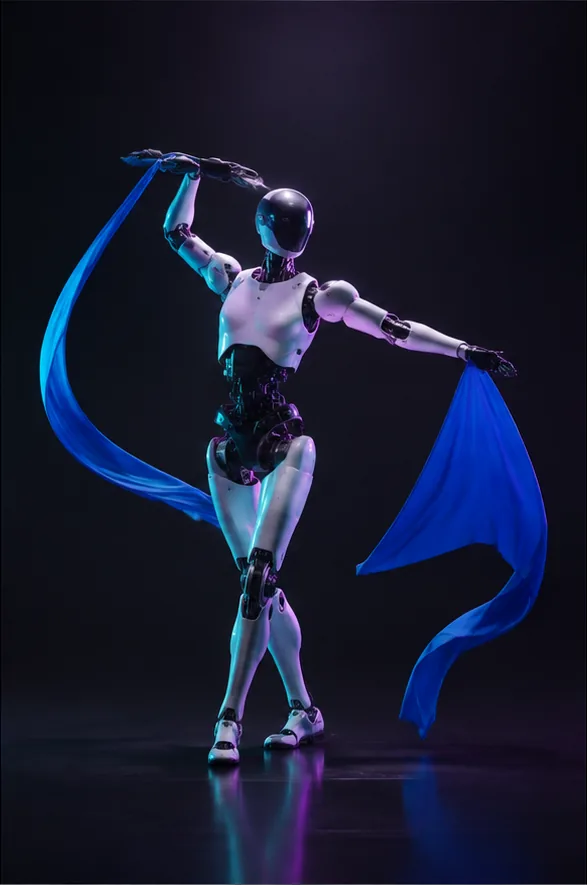
Review Identity, Timing, and Camera Stability
After a Kling motion control result is ready, review the face or design, limb continuity, foot contact, fabric behavior, and camera stability before judging visual polish. Kling AI motion control may need a simpler source or a cleaner reference when one of those foundations drifts. Change one input at a time so each Kling motion control comparison reveals what improved. A disciplined review loop turns reference movement into a repeatable production method rather than a one-off experiment.
- Check identity before evaluating visual effects
- Inspect hands, feet, and joint transitions
- Compare timing with the reference movement
- Confirm the camera remains intentional
- Refine only one Kling motion control input per test
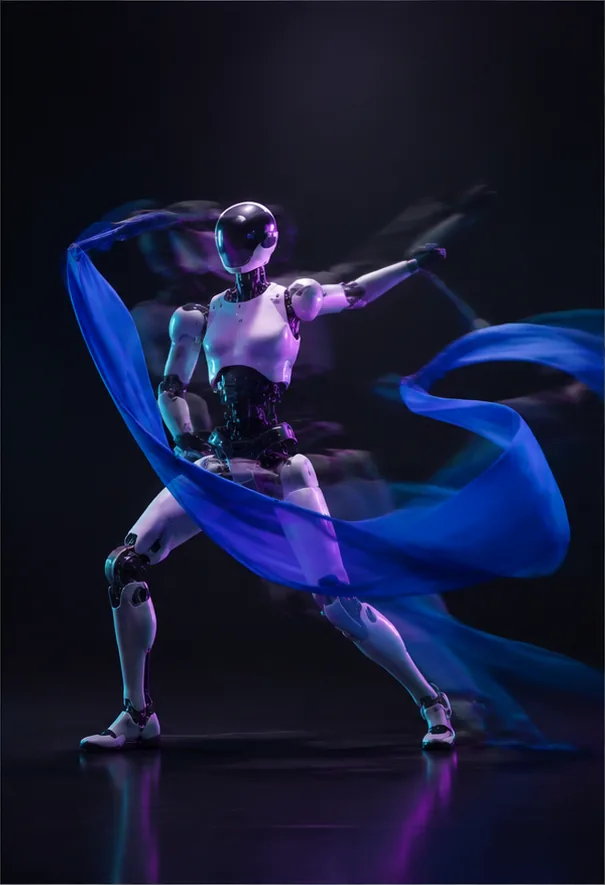
What Makes Reference Motion Easier to Direct
A focused Kling motion control workflow separates appearance, movement, and review into clear decisions. Kling AI motion control becomes easier to iterate when every input has one job and every comparison tests one meaningful change.
Character-First Preparation
Kling motion control starts with a source image that defines identity, clothing, proportions, and framing. Use a neutral pose when possible, keep important joints visible, and remove distracting foreground detail. This gives Kling motion control a stable design to animate instead of asking it to reconstruct missing anatomy. For Kling AI motion control projects, preparing the source carefully often saves more time than repeatedly changing the prompt after generation.
Readable Motion References
Kling motion control benefits from a reference clip with continuous movement and predictable camera behavior. Look for clean body mechanics, a pace that suits the character, and a starting orientation close to the source frame. Kling AI motion control can use that visual rhythm more consistently when cuts, occlusion, and sudden zooms are limited. The result is a clearer relationship between the motion you selected and the draft you review.
One-Variable Review Loops
Treat each Kling motion control result as evidence for the next decision. If identity drifts, improve the source; if timing feels wrong, replace or trim the reference; if the composition moves unexpectedly, simplify camera instructions. This Kling AI motion control review method avoids random changes and keeps comparisons meaningful. A short, controlled iteration history also makes the final setup easier to reproduce for related characters or scenes.
How to Plan Kling Motion Control
Three practical stages
Use the existing free workspace to shape the idea, then prepare the source and movement reference for a focused Kling motion control test. Kling AI motion control is easier to evaluate when preparation, direction, and review remain separate.
- 1
Prepare the Character
Choose a full, unobstructed character image with a simple background and a pose that matches the intended action. Kling motion control needs visible structure to preserve the subject during movement. Confirm the crop, orientation, identity details, and clothing before continuing. This preparation gives Kling AI motion control a dependable source rather than an ambiguous frame.
- 2
Match the Reference
Select one continuous action with readable limbs and a stable viewpoint. Compare the starting pose and proportions before using the reference for Kling motion control. A close visual match reduces unnecessary corrections and lets Kling AI motion control concentrate on transferring pace, gesture, and direction instead of resolving incompatible framing.
- 3
Review and Refine
Inspect identity, joint continuity, contact with the ground, fabric motion, timing, and camera stability in that order. When a Kling motion control draft misses the goal, change only the source, reference, or direction that caused the issue. This measured Kling AI motion control loop produces clearer comparisons and more repeatable results.
Kling motion control transfers the visible movement from a reference clip onto a separate source character, so a performer’s gesture, walk, or turn can drive an unrelated design. The source frame supplies identity and appearance, while the reference supplies timing and direction; a good Kling motion control result depends on both being prepared with equal care rather than treating one as an afterthought.
Yes; the homepage generator can be explored before signing in. Availability and credits work the same way they do elsewhere in King AI, and selecting this specific workflow may prompt a sign-in because it follows the existing account rules rather than a special exception.
A single sharp character with visible limbs and minimal obstruction gives Kling motion control the clearest starting point. A silhouette that reads well at a glance tends to preserve design details more reliably than a cluttered frame, since the system has less ambiguity to resolve about where the body actually is.
Look for one visible performer, a continuous action, steady framing, and minimal cuts. Readable timing matters more than an impressive stunt for Kling motion control; comparing the reference’s starting pose and direction against the source character before committing to it saves a wasted generation later.
Not in appearance, but proportions, framing, pose, and range of movement should roughly align. A source and reference with compatible body types let Kling motion control focus on transferring motion rather than compensating for a mismatch in scale or posture it was never asked to solve.
Blur, occlusion, fast turns, or a reference where the hands and feet briefly leave the frame are the usual causes. Checking the joints in the source image first, then simplifying the reference clip if the problem persists, resolves most of these cases without needing to change anything else.
A clean source helps Kling motion control retain color, clothing, silhouette, and identity, but the result still deserves a careful look. Comparing several frames from the finished clip against the source catches the cases where hidden details, like the back of a garment, get reinterpreted rather than copied faithfully.
Start with a stable camera that keeps body movement and lens movement separate and easy to tell apart. Once the transferred motion reads clearly on a static shot, a deliberate pan becomes much easier to diagnose in Kling motion control if something goes wrong, rather than debugging two moving variables at once.
Use the shortest clip that contains one complete action with a visible start and finish. A reference padded with unrelated lead-in or follow-through dilutes the specific movement Kling motion control is being asked to transfer, and a single clean movement phrase is easier to evaluate afterward than a long, meandering clip.
Identify the earliest point where the clip breaks down, then change only the input responsible for that specific problem, whether it is the source, the reference, or a camera instruction. Keeping every other variable fixed is what turns a string of Kling motion control attempts into an actual improving sequence.
Yes, as long as limbs, joints, direction, and contact points remain visible in the source design. Starting Kling motion control with a moderate, unhurried gesture avoids asking the system to invent hidden structure during fast movement, which is where stylized characters tend to lose their most distinctive features.
Check identity, joint continuity, ground contact, fabric behavior, timing, background, and camera stability, roughly in that order of importance. Comparing the finished Kling motion control clip against both original inputs side by side, rather than judging it in isolation, makes it obvious what still needs another pass.
Yes, when the product stays visible through a short, deliberate gesture rather than fast or exaggerated movement. Keeping hand contact steady throughout the clip, and reviewing the Kling motion control result to confirm both the character and the product remain recognizable, matters more here than in a purely artistic use case.
A prompt fills in scene, mood, camera framing, and any detail the reference clip does not already specify for Kling motion control. Keeping that written direction consistent with the visible action in the reference avoids contradictory instructions, which tend to produce a confused result rather than a genuinely creative one.
Start with a single visible performer, since overlapping bodies create ambiguous limbs that are hard for Kling motion control to separate cleanly. A reference built around one clear subject stays readable end to end, which matters more for a first attempt than a busier, more dynamic scene would.
Use identical inputs and change exactly one setting between them, then compare the two Kling motion control results at matching timestamps for identity, contact, timing, and framing. That discipline is what makes a later test reproducible instead of leaving the difference between two clips a matter of vague impression.