SeaArt AI Video Generator Free — No Login
Explore a focused art direction in motion with SeaArt AI on King AI.
Direct Shape, Color, and Atmosphere in Motion
Treat the moving image as a focused study of silhouette, palette, and light.
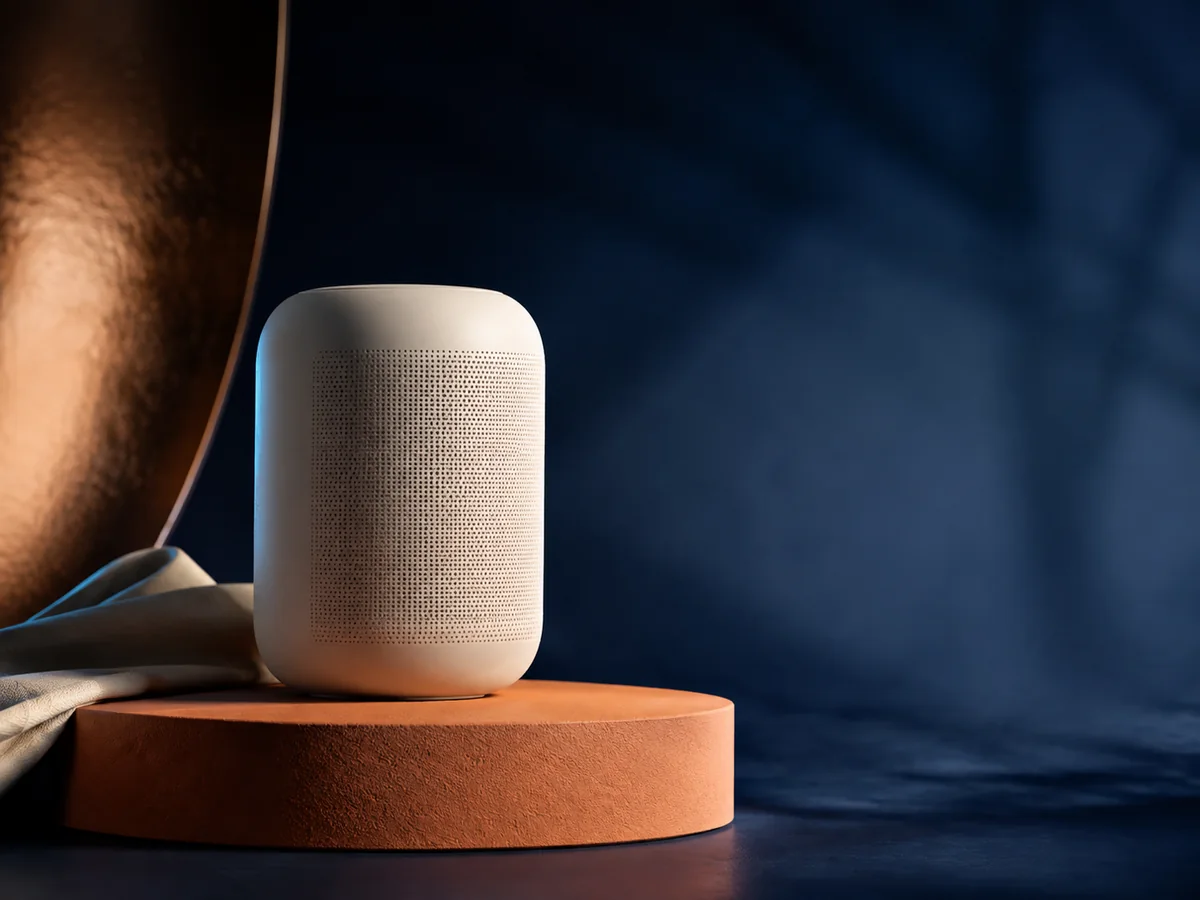
Protect the Shape That Carries the Scene
SeaArt AI planning begins by identifying the contour viewers must recognize before texture or effects compete for attention. Describe how that shape moves through negative space, then ask SeaArt AI for a restrained camera response that preserves legibility.
- Name the dominant contour
- Reserve negative space
- Test motion at thumbnail size
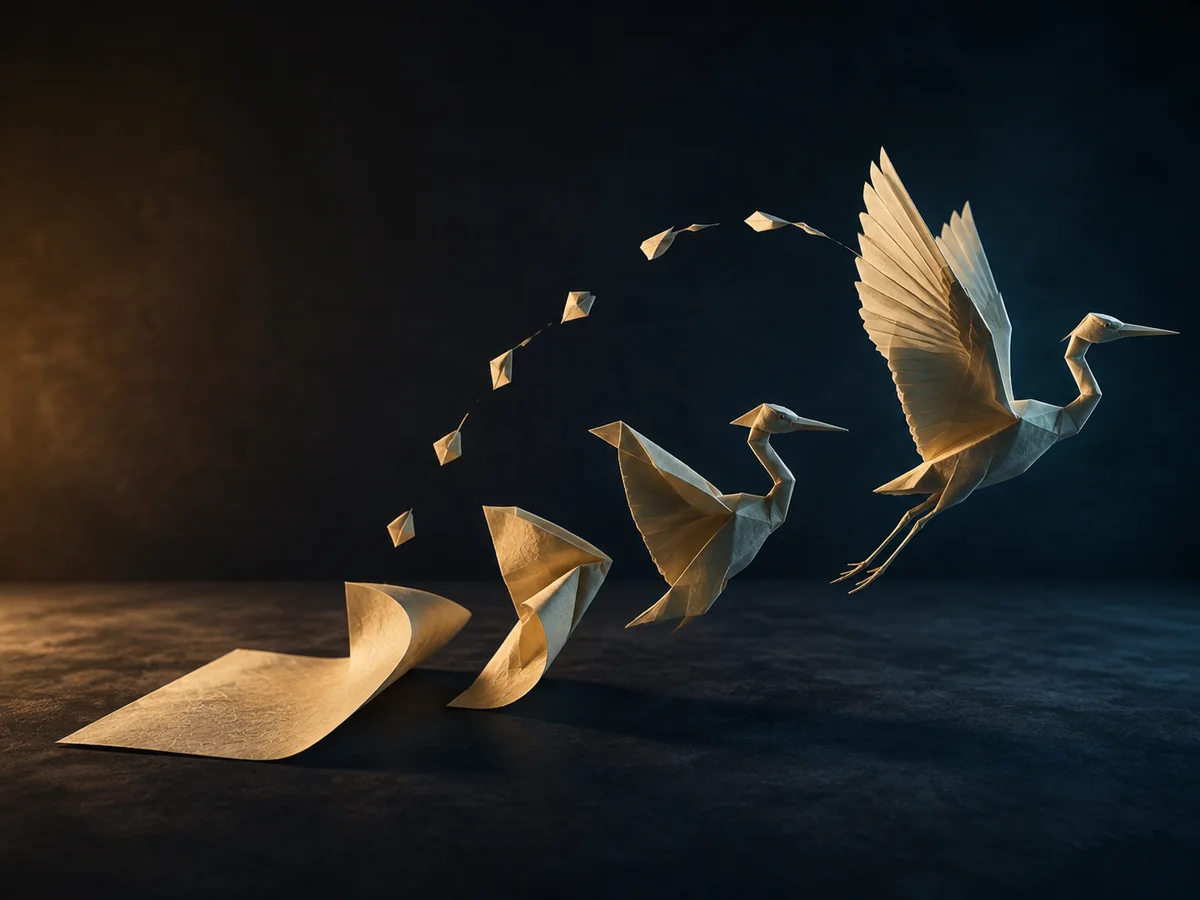
Let Color Changes Support the Moment
SeaArt AI can be directed with a limited palette, a lighting transition, and an emotional temperature rather than a pile of style labels. Connect color to story purpose so SeaArt AI produces an art study that can be judged for coherence instead of novelty alone.
- Choose two anchor hues
- State the light source
- Link contrast to the focal point
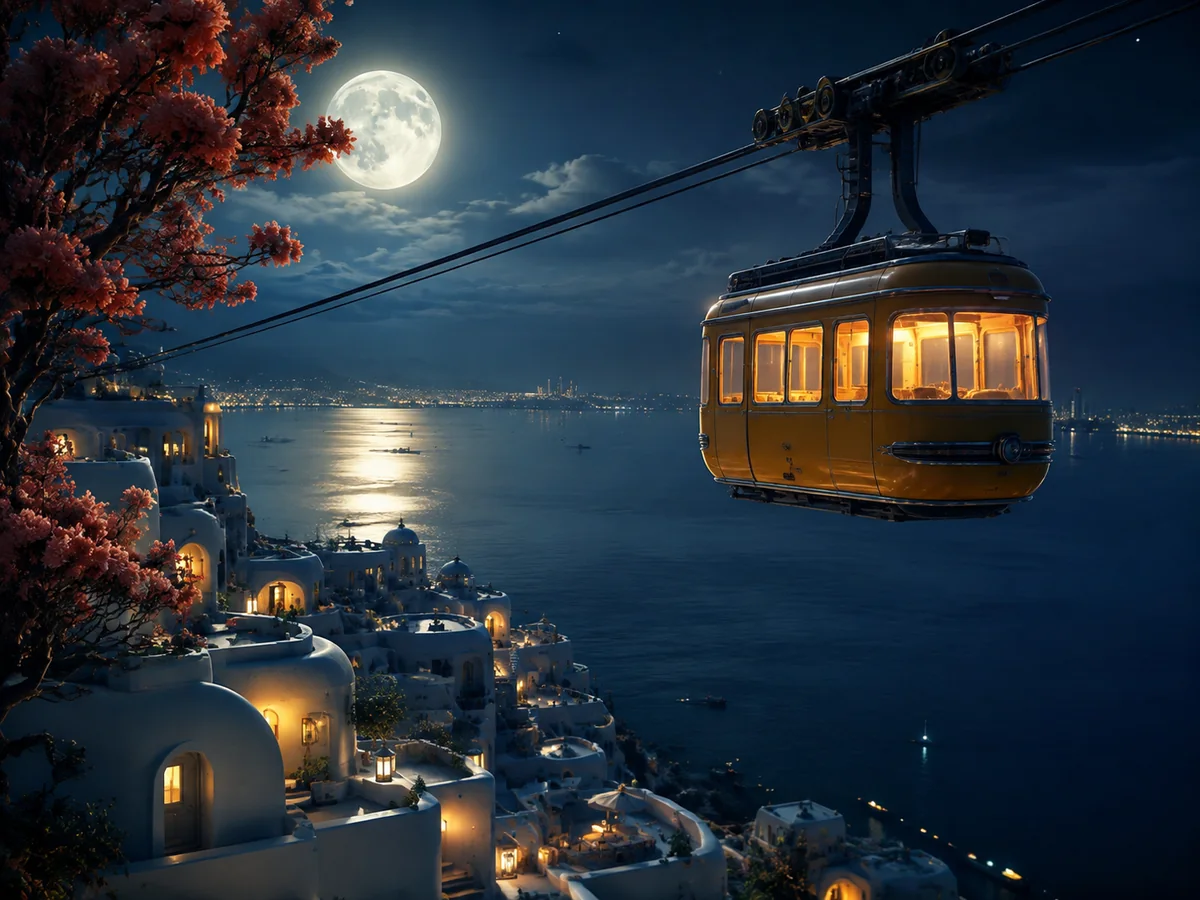
Separate Environmental Motion From the Subject
SeaArt AI briefs become clearer when drifting particles, weather, fabric, and background depth receive their own restrained behavior. Keep the subject action readable while SeaArt AI uses atmosphere to support scale, mood, and visual rhythm.
- Limit ambient effects
- Preserve subject edges
- Review foreground and depth
SeaArt AI Tools for a Coherent Moving Study
The King AI workspace supports visual exploration with SeaArt AI without replacing editorial judgment.
Composition Before Ornament
A prompt or visual source works better once the focal silhouette, balance, and empty space are settled first, before any texture or atmosphere gets added. Art direction can then layer in detail without hiding the action that makes a short SeaArt AI clip understandable at a glance.
Palette With Narrative Purpose
Hue, contrast, and illumination can each be tied to a specific beat in the scene rather than chosen for their own sake. A SeaArt AI review should ask whether those choices guide attention consistently through the clip, not just whether the surface looks fashionable in a single frame.
Motion That Respects the Artwork
An authorized reference can be animated while the brief keeps subject movement, camera travel, and environmental drift as separate decisions. Results deserve inspection for contour stability, unwanted morphing, and any change that quietly weakens the original SeaArt AI composition.
Move a SeaArt AI Direction Through Three Passes
A SeaArt AI study moves from visual anchor to motion study to critical review, without skipping a stage.
Curate the Visual Anchor
Select an authorized image, compatible frame pair, or concise written scene built around one dominant shape; a stable visual hierarchy matters more than decorative language at this stage. Note the palette, lighting source, depth layers, and intended format, then remove any reference that pulls the composition toward an incompatible style.
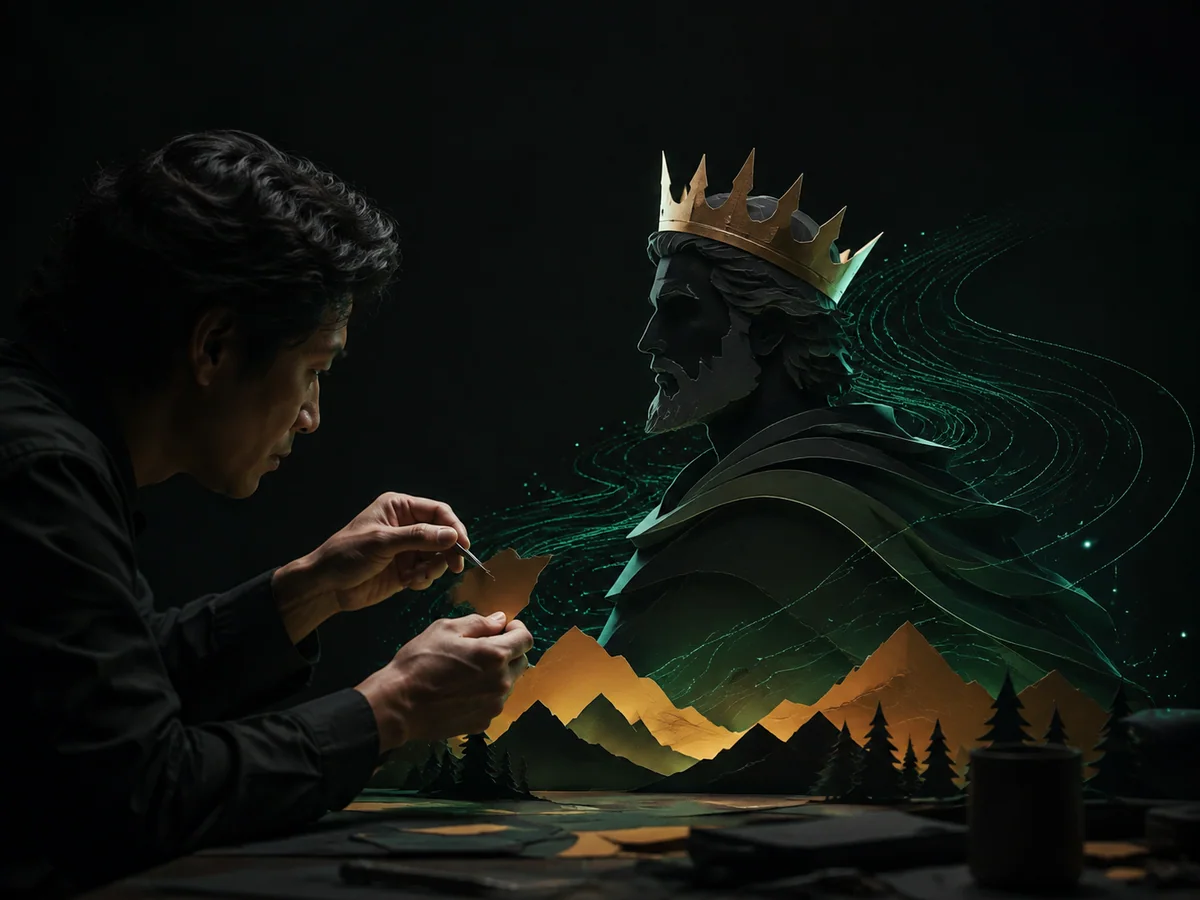
Describe Rhythm and Camera Restraint
Set the supported ratio and available options, then specify subject action, ambient motion, and camera behavior as separate instructions rather than one blended paragraph. A clear pace and a single visual transition tend to outperform an ambitious combination, since SeaArt AI can preserve recognition more easily when effects stay subordinate to the focal contour.
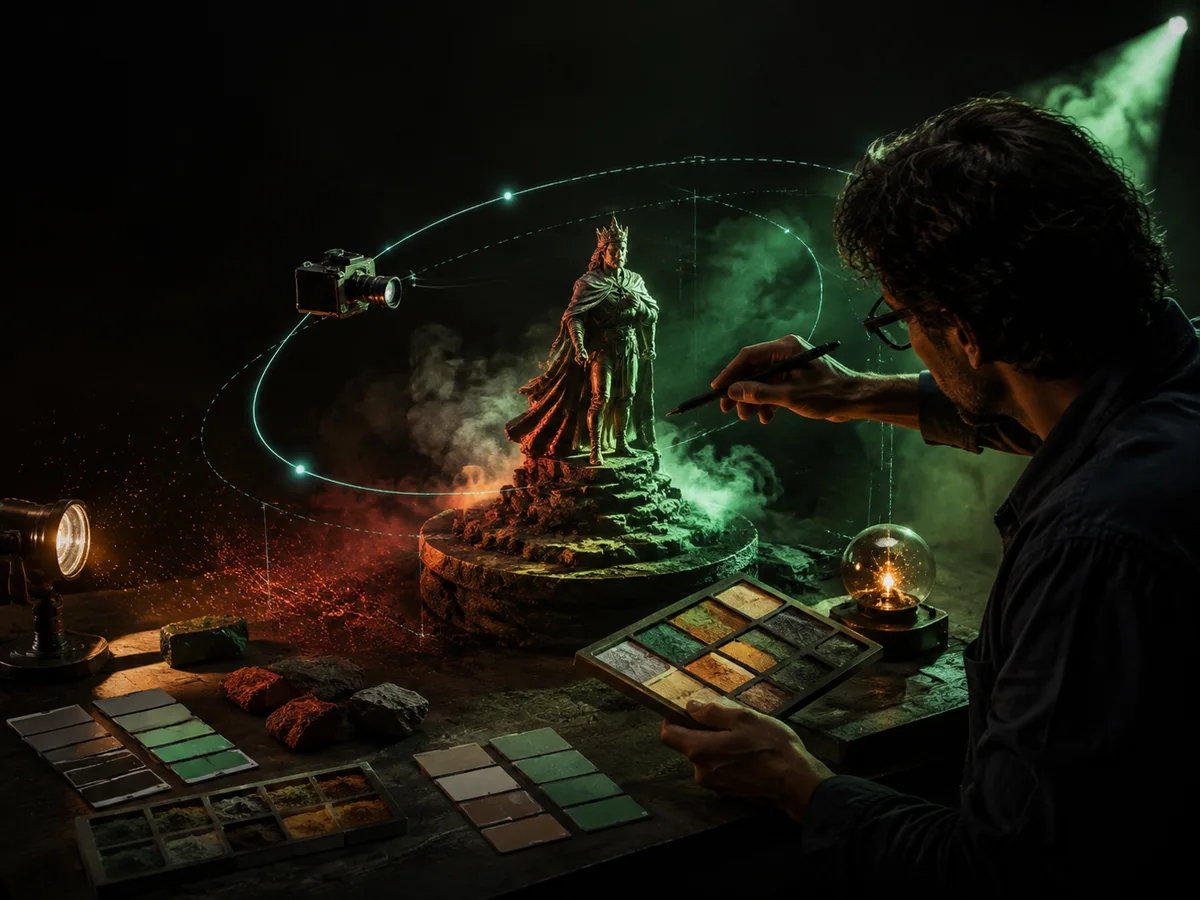
Critique the Entire Moving Image
Watch for silhouette drift, inconsistent texture, broken depth, abrupt palette changes, and motion that steals attention from the subject. Correcting the single most damaging issue first, rather than several at once, keeps a revision efficient. Export the strongest study along with its source and art-direction notes for later finishing.
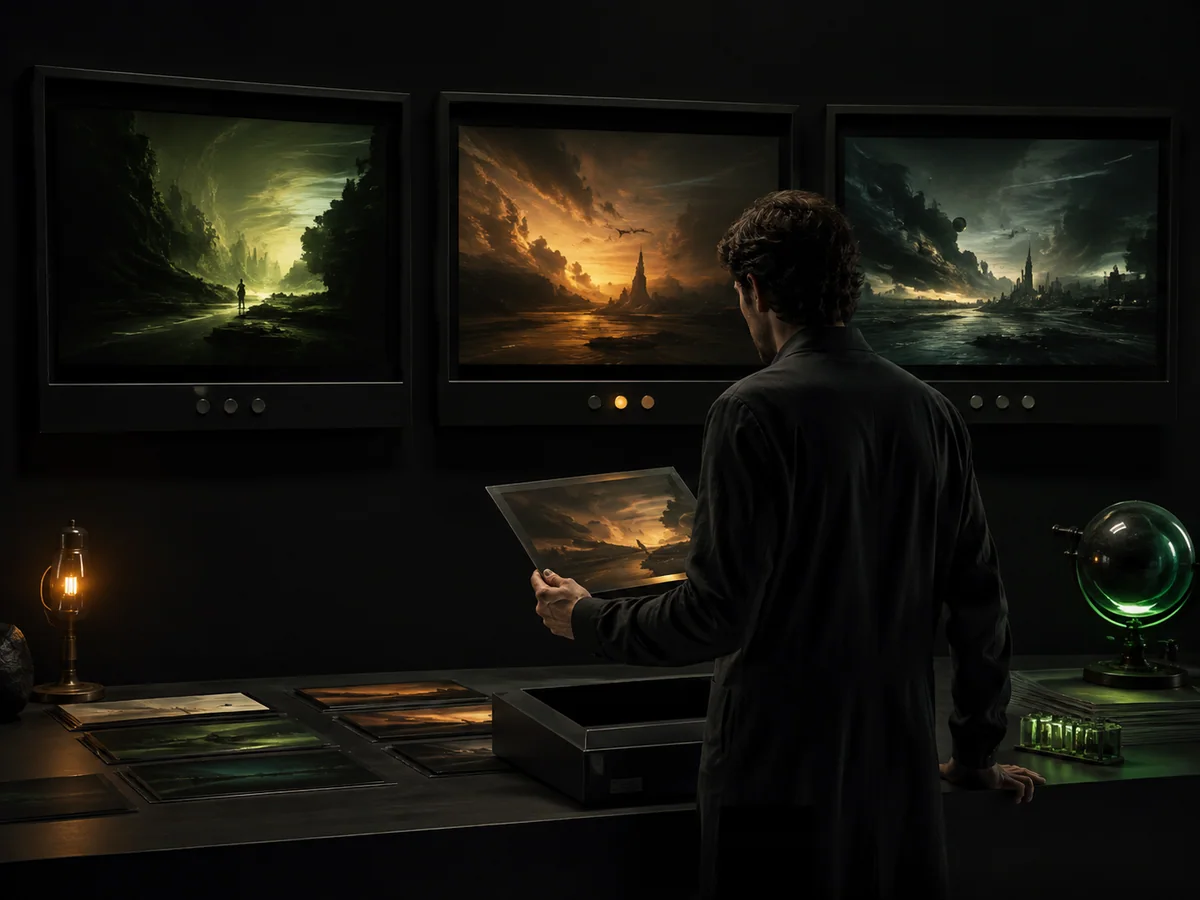
SeaArt AI Notes for Visual Direction and Review
Treat each draft as an art study with a clear visual standard.
Can SeaArt AI begin free without login?
The King AI workspace shows the current guest allowance before a generation request is submitted, so a director can confirm eligibility without creating an account first. When the allowance covers a free attempt, SeaArt AI becomes available immediately, and the interface explains what unlocks the next attempt once it runs out.
What is the strongest first visual decision?
Choose the contour that must remain recognizable above everything else, then view the source at a small size to check whether it still reads clearly at that scale. If the shape disappears at thumbnail size, it will likely disappear once motion and effects are added in SeaArt AI as well.
How many style references should be used?
Include only sources with compatible composition and texture, and remove any image that introduces a second, competing visual agenda. Two or three tightly aligned references usually guide a SeaArt AI generation more reliably than a large, loosely related moodboard.
How should a color palette be described?
Name the anchor hues, the contrast level, and the lighting temperature, and connect each change to a specific story beat rather than describing color in isolation. A SeaArt AI palette tied to meaning this way is easier to judge for coherence than one chosen purely for visual novelty.
Can a still illustration become a motion study?
Yes; use an authorized source image and describe the temporal change separately from the existing composition, keeping contour preservation and ambient movement as distinct instructions. This separation helps SeaArt AI animate the piece without drifting away from the original design.
What camera language suits stylized work?
Choose one deliberate camera behavior, such as a pan, a push, an orbit, or a static hold, and state its pace clearly rather than combining several movements at once. A single restrained choice tends to keep a SeaArt AI composition readable in a way that a busier camera rarely does.
How should texture be evaluated after generation?
Watch edges and material patterns throughout the entire clip, not just the opening frame, and note precisely where detail starts to crawl or shift identity. Naming that exact moment gives the next SeaArt AI attempt a specific target instead of a vague sense that something looked off.
Which aspect ratio protects the composition?
Decide the destination before placing the subject in frame, then check negative space and edge pressure against that specific ratio. A composition built for a square frame and later cropped to vertical often loses exactly the balance a SeaArt AI study was trying to protect.
What belongs in an atmosphere note?
Describe weather, particles, fabric, or ambient light as instructions separate from subject action, and limit how many effects run simultaneously. Layering three ambient behaviors at once tends to compete with the subject rather than support it, which undermines what an atmosphere note in SeaArt AI is meant to achieve.
When is a draft ready to export?
Keep the version whose movement most clearly reinforces the intended mood, and review it once more at normal playback speed and at the actual delivery size before calling it final. A SeaArt AI draft that only looks right zoomed in or slowed down is usually not ready yet.
Does this SeaArt AI page copy an external interface?
No; this page uses only the King AI generator controls that are actually visible in the workspace, and any outside branding or screenshots belong to a separate, unrelated product. The SeaArt AI workflow described here reflects what this generator does, nothing more.
What rights checks apply to SeaArt AI reference material?
Confirm permission for every reference image and any depicted likeness before it enters a project, and keep a record of that origin before the result is shared or published. Treating source rights carefully protects a SeaArt AI project if the work later travels beyond its original audience.