GPT Image 2.5 Free Image Generator — No Signup
Turn a brief or reference into a GPT Image 2.5 image draft. Free, no-signup access depends on guest eligibility and available credits.
Introduction
Make Every Pixel Serve the Brief
GPT Image 2.5 turns image creation into a sequence of practical design choices. Start with what the picture must communicate, then refine what competes with that message. Use GPT Image 2.5 for an intentional draft, not a substitute for reviewing the finished asset.
Reserve the Space Your Message Needs
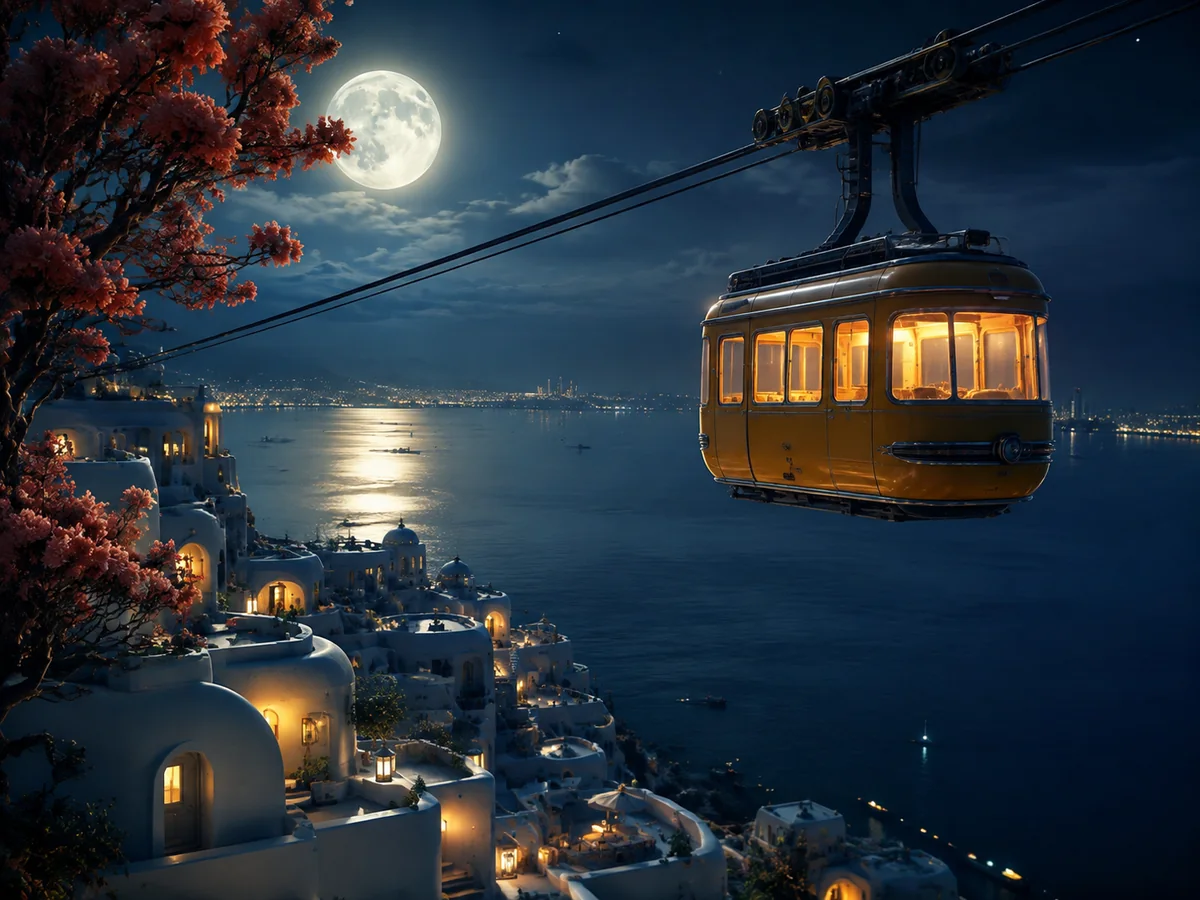
A useful GPT Image 2.5 brief begins with the finished placement: a square catalog tile, a portrait announcement, or a wide editorial header. Specify where the subject belongs and which area must remain quiet. Give GPT Image 2.5 the exact headline separately from visual instructions. This separates communication from decoration, so your GPT Image 2.5 draft can be judged at the size people will actually see.
- Choose the final crop early
- Keep headline space uncluttered
- Separate written copy from art direction
Protect the Details That Make a Subject Recognizable
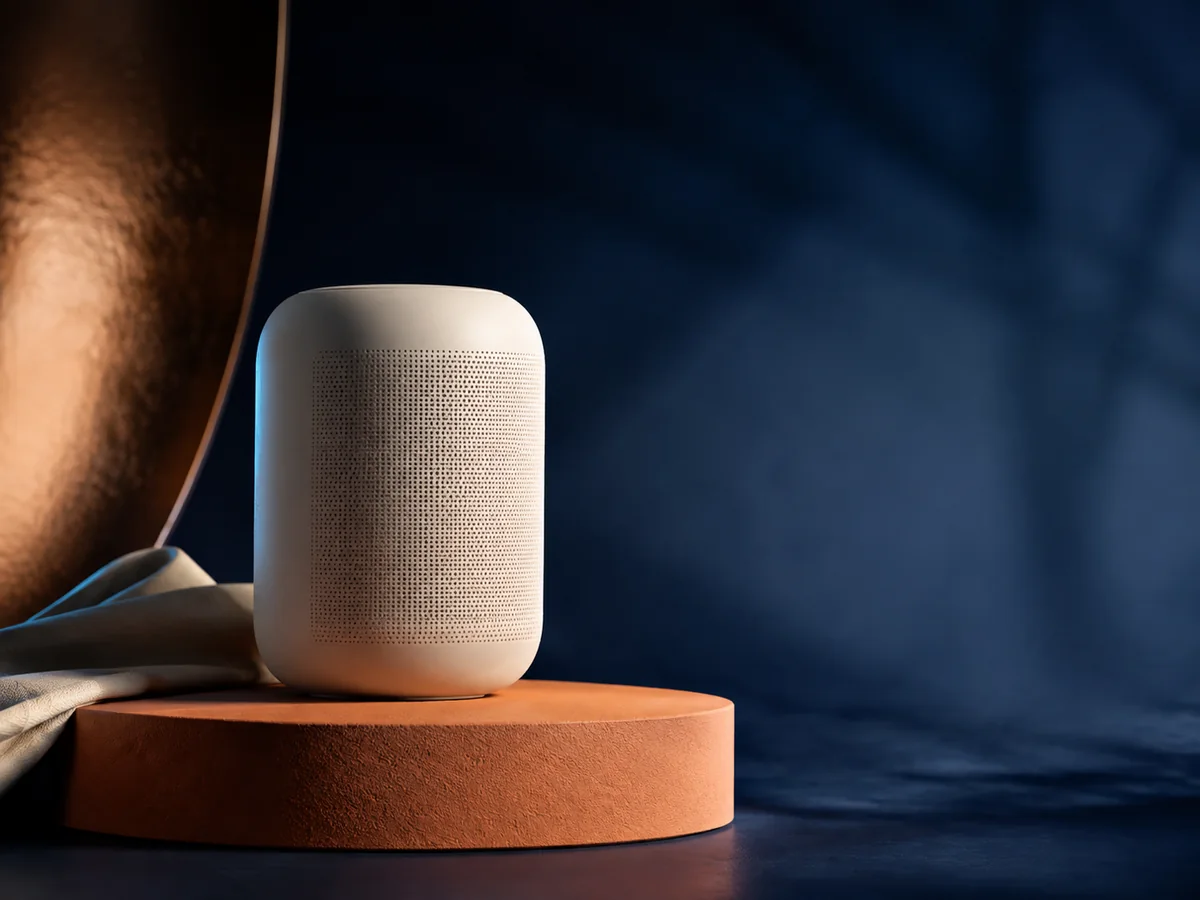
For reference-led GPT Image 2.5 work, identify distinctive shapes before requesting a new setting. A bottle cap, embroidered seam, or facial proportion may matter more than a dramatic backdrop. Tell GPT Image 2.5 which details to retain and which surroundings may change. Compare the result beside the original rather than relying on memory. A strong GPT Image 2.5 revision changes the intended detail without quietly replacing the product.
- Check silhouette and proportions
- Describe the permitted alterations
- Compare against the source image
Build a Useful Sequence of Small Edits
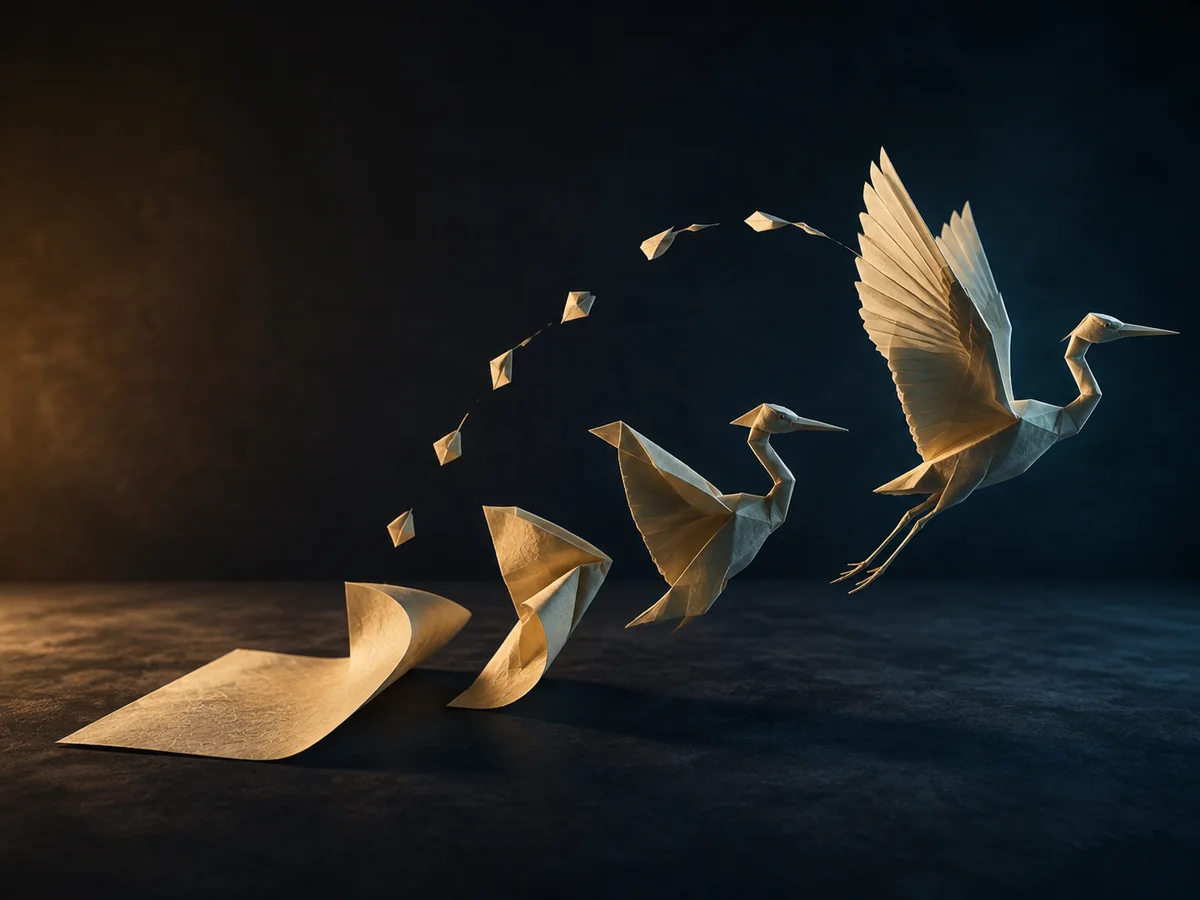
Treat each GPT Image 2.5 revision as a separate design decision. Download the preferred draft, supply it as a new reference, and request one concrete adjustment, such as softer shadows or a clearer headline. This GPT Image 2.5 workflow does not depend on an invisible conversation history. Keep the original prompt nearby so later GPT Image 2.5 attempts retain the same audience, format, and visual hierarchy.
- Save the strongest intermediate draft
- Change one instruction per revision
- Review the whole composition again
Core Features for Image Decisions
Bring GPT Image 2.5 a clear instruction, an informative reference, and a realistic review standard. These three inputs matter more than adding another page of descriptive language.
Written Direction Into Visual Structure
GPT Image 2.5 can interpret a brief containing a subject, setting, layout, and intended mood. Prefer relationships over adjective lists: put the label above the object, leave breathing room around the face, and distinguish foreground from background. Evaluate GPT Image 2.5 typography letter by letter before using a graphic externally.
Reference-Guided Image Changes
Use GPT Image 2.5 reference input when an existing picture provides information words cannot capture efficiently. Explain whether you need a changed background, different styling, or a revised composition. GPT Image 2.5 outputs still need inspection around fine edges, repeated patterns, reflected surfaces, and any identity-sensitive details.
Two Creative Priorities
The GPT Image 2.5 family includes Flare for quicker exploration and Sunburst for detail-sensitive creative work. Choose from the model options available in the workspace and review the displayed credit requirement. GPT Image 2.5 planning works best when you reserve intensive revisions for an already convincing composition.
From Written Intent to a Reviewed Image
How It Works
Keep GPT Image 2.5 creation deliberate: prepare the input, request a draft, and assess what actually changed before downloading.
- 1
Write the Deliverable Brief
Open GPT Image 2.5 with a concise description of the finished asset. Include its purpose, subject placement, palette, and any exact wording. Attach a reference when appearance matters. Set the available output options before submitting your GPT Image 2.5 request.
- 2
Generate a Deliberate Draft
Review the selected model and credit estimate, then start GPT Image 2.5 generation yourself. Wait for the result instead of submitting duplicates. Inspect the preview for composition first; a GPT Image 2.5 draft with an unclear focal point needs simpler direction, not more decoration.
- 3
Inspect, Revise, and Download
Check GPT Image 2.5 output at full size and at its intended display size. Verify lettering, object boundaries, and reference fidelity. Download the chosen image, or use it as input for a focused GPT Image 2.5 revision that fixes the most important remaining issue.
What should my first GPT Image 2.5 prompt include?
Start with the deliverable and a concrete subject rather than a long style inventory. For GPT Image 2.5, describe placement, lighting, and background in separate short clauses. Put required wording in quotation marks. A GPT Image 2.5 prompt becomes easier to improve when you can identify which instruction produced each visible element.
Can I explore GPT Image 2.5 free without signup?
Eligible guests can begin while their available free credits cover the request. GPT Image 2.5 access is not an unlimited allowance: eligibility, selected settings, and remaining balance affect whether submission is available. Check the workspace before generating. Further GPT Image 2.5 attempts may require signing in or obtaining additional credits once the guest allowance is exhausted.
How do Flare and Sunburst differ?
Flare emphasizes faster creative exploration, while Sunburst emphasizes additional precision for demanding visual work. For GPT Image 2.5, choose according to the stage of your project rather than assuming the most intensive option is always necessary. Review whichever GPT Image 2.5 variants and credit estimates are currently shown before sending a request.
How can GPT Image 2.5 keep a product recognizable?
Upload a clear product view and identify its nonnegotiable details: outline, label placement, material, and distinctive hardware. Ask GPT Image 2.5 to modify the surrounding scene without redesigning those elements. Examine the output alongside the original at matching magnification. GPT Image 2.5 reference guidance supports consistency, but your review remains essential for accurate product presentation.
What helps when lettering comes out incorrectly?
Reduce the amount of requested copy and distinguish the headline from secondary labels. Tell GPT Image 2.5 where each text block belongs, including approximate relative size. Proofread names, punctuation, and numerals manually. If a GPT Image 2.5 draft still contains errors, simplify the layout or finish the precise typography in a dedicated design editor.
Does each edit remember my previous instructions?
Keep important instructions explicit instead of depending on remembered context. Save the preferred GPT Image 2.5 result and upload it for the next edit, stating what should remain unchanged. This makes the revision reproducible even in a fresh session. A GPT Image 2.5 reference image carries visual evidence, while your prompt defines the requested difference.
How should I handle a transparent background request?
Describe the intended cutout and inspect the downloaded file rather than trusting a checkerboard-looking preview. For GPT Image 2.5 assets, verify the actual transparency in your destination editor. Background appearance and an alpha channel are different things. When a GPT Image 2.5 output lacks the needed transparency, use an appropriate finishing tool before placing it into a layout.
Which reference photograph should I upload?
Favor an unobstructed view with readable edges and lighting that reveals the subject. A GPT Image 2.5 reference should clarify the detail you want preserved, not introduce several competing focal points. Avoid tiny screenshots with compression artifacts. Give GPT Image 2.5 an image you have permission to use and explain its role in the requested composition.
Why change only one detail between drafts?
Multiple simultaneous changes make it difficult to tell why a result improved or deteriorated. With GPT Image 2.5, keep the subject and layout stable while testing lighting, then evaluate color separately. Label saved drafts by the decision they test. This gives your GPT Image 2.5 process a useful record rather than a folder of unrelated experiments.
What resolution should I choose for a draft?
Match the available resolution to the next review step and inspect the credit estimate before submitting. GPT Image 2.5 exploration does not always need the largest output, especially while composition is unsettled. Reserve final checks for the required delivery dimensions. Enlarging a GPT Image 2.5 preview on screen does not add missing image detail.
What should I inspect before publishing an image?
Review spelling, small object geometry, repeated motifs, edge quality, and the relationship between shadows and light sources. Check GPT Image 2.5 artwork in the actual page or design where it will appear. Confirm appropriate permissions for uploaded references and depicted material. A polished GPT Image 2.5 preview is a candidate asset, not an automatic publication approval.
Can I reuse the same brief across several formats?
Retain the subject description and visual identity, but rewrite placement instructions for each crop. A wide GPT Image 2.5 banner needs different empty space from a vertical announcement. Recheck typography after every aspect change rather than stretching a finished image. Keep a GPT Image 2.5 reference handy to anchor colors and recognizable details across the series.