MindVideo AI Video Generator Free — No Login
Give one abstract idea a visible form with MindVideo AI on King AI.
Turn an Invisible Idea Into a Visible Event
Give an abstract idea a concrete subject, transformation, and readable consequence.

Separate the Idea Into Visible Parts
MindVideo AI planning names the central concept, its emotional direction, and the physical objects that could represent it. Arrange those elements into one readable event before MindVideo AI receives camera or atmosphere detail.
- State the abstract idea
- Choose one visual metaphor
- Connect cause and effect

Choose an Image Viewers Can Decode
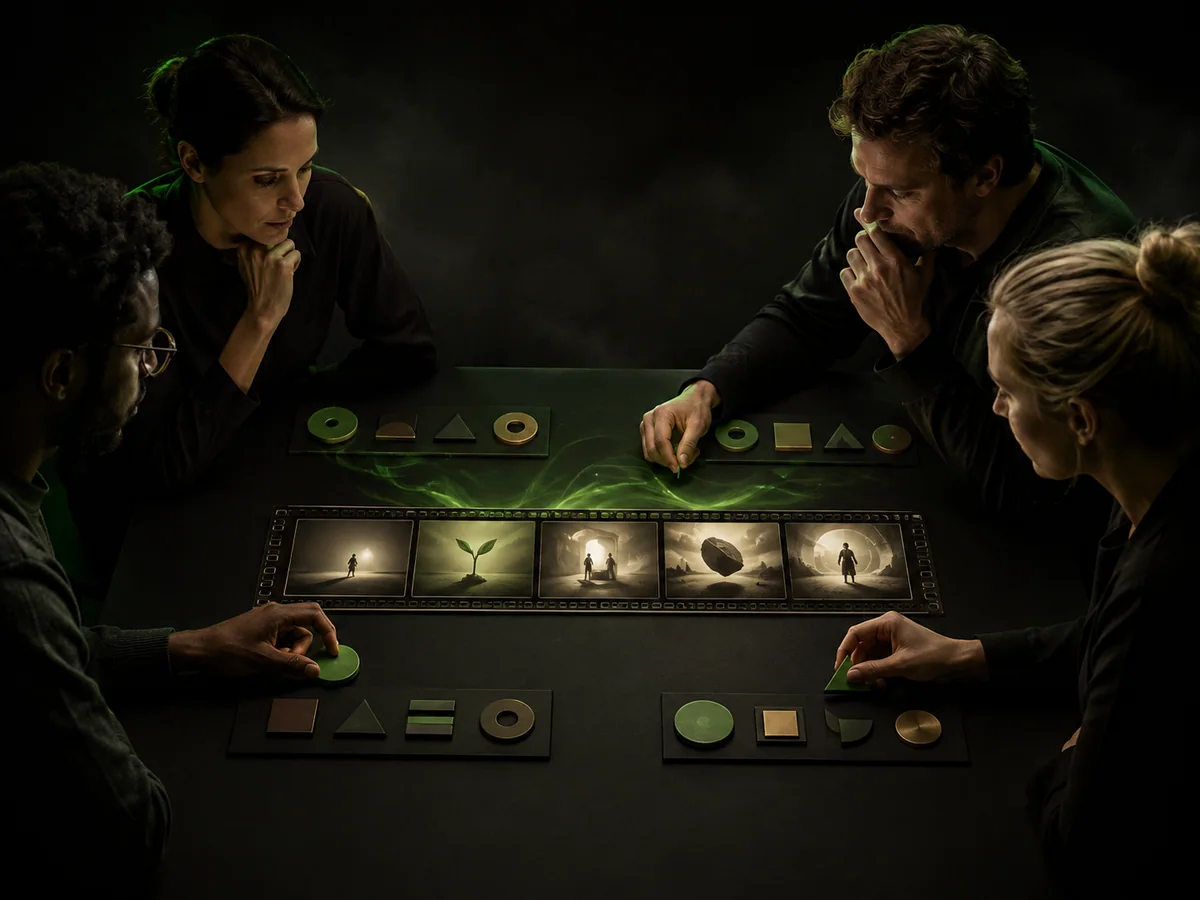
MindVideo AI works with metaphors that have a clear relationship to the intended message rather than decorative symbolism. Test whether a viewer can describe the MindVideo AI scene without hearing an explanation.
- Prefer familiar visual logic
- Avoid mixed metaphors
- Keep the focal transformation clear

Give the Thought a Beginning and Change
MindVideo AI prompts become more intelligible when the opening state, turning action, and final state fit inside one short beat. Use MindVideo AI to visualize that transition before planning a longer narrative.
- Define the opening state
- Name the transforming action
- Check the final meaning
MindVideo AI for Turning Concepts Into Visible Events
King AI supports the render while a concept map keeps meaning attached to every visual choice in MindVideo AI.
Concept-to-Object Mapping
An abstract theme translates more reliably into a small set of recognizable objects, forces, and relationships than into a vague mood. Directing a scene becomes easier once each visible element carries exactly one part of the meaning instead of several competing symbols fighting for attention.
Metaphor With Temporal Logic
Growth, release, connection, pressure, or discovery can each be shown as a physical change over time rather than a static symbol. A useful review question asks whether that transformation communicates the idea on its own, before a viewer ever needs explanatory text alongside the clip.
Meaning-Preserving Revision
Drafts get compared against the original concept map rather than against surface beauty alone. A good MindVideo AI revision keeps the metaphor that already works, removes ambiguous decoration, and strengthens the visual cause-and-effect relationship the whole scene depends on.
Translate a MindVideo AI Idea in Three Moves
A MindVideo AI attempt progresses from concept map to visual transition to meaning check, without skipping ahead.
Map the Invisible Idea
Write the concept in one sentence, then list a subject, environment, force, and change that could embody it. One coherent metaphor works far better than a collection of poetic fragments loosely pointed at the same theme. Choose authorized references only when they clarify form, and let the concept map determine which details are unnecessary before a single frame gets generated.

Stage the Transformation
Select the supported input and aspect ratio, then describe the opening state, the changing action, the camera observation, and the final state in sequence. Causal language that explains what actually triggers the transition tends to outperform a vague description of the end result. Keep atmosphere secondary in a MindVideo AI brief so viewers can still follow the conceptual event underneath it.

Test the Meaning Without Explanation
Watch the completed clip once without reading the prompt, and summarize what it actually communicates in one sentence. Success looks like a visible relationship that resembles the intended concept without narration. Revise the ambiguous symbol or transition first, then export the strongest MindVideo AI draft together with its concept map.
MindVideo AI Questions for Concept-Led Creation
Use visual logic to make an abstract idea legible in motion.
Can MindVideo AI begin free without login?
The King AI workspace shows the current guest allowance before a generation request goes out, so a creator can check eligibility before developing a full concept map. When the allowance covers a free attempt, MindVideo AI becomes available immediately, and the page explains what unlocks the next one once it is used up.
What is a concept map for video?
A concept map connects an abstract theme to a subject, a setting, a force, and a visible change, then discards any element that carries no clear meaning. Building one before opening MindVideo AI gives every later decision, from metaphor to camera angle, something concrete to be checked against.
How is a useful metaphor selected?
Prefer a physical relationship viewers already understand intuitively, then test the image by trying to explain it in one plain sentence. If that explanation takes several sentences or an example, the metaphor is probably too indirect for a short MindVideo AI clip to carry on its own.
Can a reference image anchor the concept?
Yes; choose an authorized source that establishes form or mood, then describe the conceptual change happening to it rather than restating what the still picture already shows. The image anchors the transformation; MindVideo AI needs the motion instruction as the genuinely new information.
When do first and last frames help?
Paired frames work well for defining a clear before-and-after state, especially when the change itself is what explains the idea. Check that the transition between the two images actually carries causal meaning rather than being two unrelated pictures a MindVideo AI generation is asked to connect.
How should camera behavior be described?
Choose a viewpoint that reveals the relationship between the scene’s elements, and avoid camera movement that competes with the metaphor for attention. A steady, observational angle usually keeps focus on the idea itself rather than turning a MindVideo AI clip into a demonstration of camera technique.
What makes an abstract scene too complicated?
Watch for several symbols performing unrelated jobs at once, each competing for the same few seconds of screen time. Removing the least necessary object or effect usually restores a single interpretable event, which a MindVideo AI viewer can actually follow without pausing to decode it.
How is a draft reviewed without seeing the prompt?
Ask a second person to summarize the clip in their own words before showing them the original brief, then compare their reading against the concept map. Any gap between what they saw and what was intended points directly at the part of a MindVideo AI scene that needs revision.
Does MindVideo AI produce a complete long-form story?
No; MindVideo AI produces one focused short draft at a time, and additional beats, sequencing, and editing happen separately outside the generator. Treating each generation as a single visual proposition, rather than a finished narrative, keeps expectations realistic for what a short clip can carry.
How should a failed MindVideo AI transformation be revised?
Keep the recognizable elements that already worked, and replace only the unclear causal step rather than starting over completely. Changing one symbolic relationship at a time makes it possible to learn which specific choice affected the meaning of the MindVideo AI scene.
Can the selected MindVideo AI result be downloaded?
Yes; once a MindVideo AI generation completes, use the available result control to save the clip, and keep the concept map, prompt, and review summary together with it. That saved context is what makes the result useful again later, rather than a clip nobody remembers the reasoning behind.
What ethical checks apply to symbolic imagery in MindVideo AI?
Review the scene for stereotypes, sensitive associations, unclear source rights, and any implication that could mislead a viewer, and get a second opinion before publishing anything sensitive. A metaphor that reads as harmless to its creator can land very differently for someone else, which is exactly what an outside check on a MindVideo AI draft is meant to catch.