

VideoFrameAI Video Generator Free — No Signup
Start free with no signup, then use the VideoFrame AI workflow to turn a prompt or reference image into a polished video draft.
One shot, one purpose
Shape a VideoFrame AI Idea Into One Clear Moving Shot
A focused VideoFrame AI project begins with a readable subject, one visible action, and a camera choice that supports the story. The VideoFrameAI workspace keeps those decisions close to generation, so you can start free, inspect a draft, and revise with purpose instead of changing everything at once.
Direct a Complete Shot From a Written Idea
Begin the VideoFrame AI process with a subject, setting, action, camera direction, lighting, and mood. Keep the first scene compact enough to visualize as one shot. VideoFrameAI works best as an iterative workspace: generate a readable baseline, check whether the main motion is clear, then adjust one instruction. This approach gives every VideoFrame AI revision a useful reason and prevents decorative details from hiding the action viewers should notice first.
- Name one primary subject
- Describe one visible action
- Choose a deliberate camera move
- Set lighting and pace clearly
- Review the first free draft
Turn a Strong Still Frame Into Guided Motion
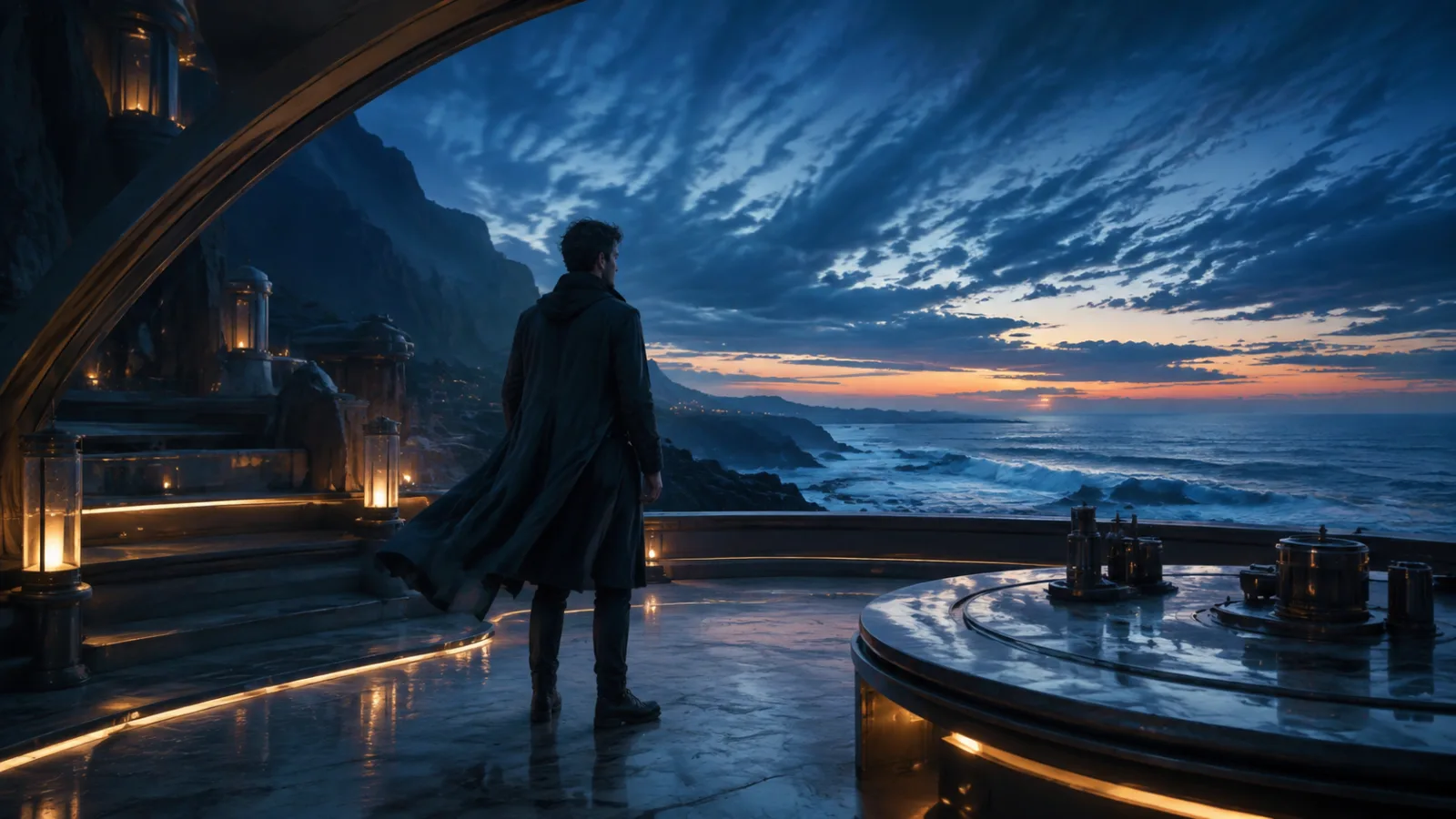
Use a reference image when composition, subject identity, or visual atmosphere should lead the VideoFrame AI draft. Choose a clean frame with an obvious focal point, then describe what changes after the opening moment. A practical VideoFrameAI prompt avoids repeating every visible detail and concentrates on movement, timing, and camera behavior. By preserving the visual anchor, the VideoFrame AI workflow makes each new result easier to compare with the source.
- Choose a readable source image
- Protect the main silhouette
- Describe motion after the first frame
- Keep depth and direction consistent
- Compare output with the reference
Plan Short Visuals Around One Audience Goal
For a product reveal or social clip, decide what the viewer should understand before opening VideoFrameAI. A VideoFrame AI prompt can guide an orbit, push-in, reveal, or controlled burst of movement while the product remains readable. Keep labels and exact typography for later editing. The VideoFrame AI result becomes a flexible visual layer when the composition leaves room for captions, cropping, and the final call to action.
- Choose one product priority
- Match movement to the format
- Leave safe space for captions
- Keep precise text for editing
- Export a reviewable visual draft

A Practical VideoFrame AI Workflow From Input to Review
The existing King AI generator keeps the core VideoFrame AI path in one browser workspace. Begin free with no signup, choose a supported starting point, direct the scene, and inspect the available output before planning the next VideoFrameAI variation.
Text and Image Starting Points
Start VideoFrameAI with a written concept or add a reference image when the opening composition matters. Text gives VideoFrame AI more room to interpret a scene, while an image provides a visual anchor for subject placement and atmosphere. In both cases, describe what should happen over time. A focused VideoFrame AI instruction is easier to evaluate because the completed draft answers a clear creative question.
Shot-Level Motion Direction
Separate subject action from camera action before starting a VideoFrame AI task. Let a character move while the camera holds, or keep a product still while the camera travels. VideoFrameAI revisions become more useful when pace, distance, and direction each have one purpose. This shot-level method keeps the VideoFrame AI prompt readable and helps you understand which instruction shaped the result.
Progress, Review, and Result Controls
Use the established VideoFrameAI workspace to start an eligible free generation, follow progress, review the completed draft, and download the available result. The VideoFrame AI landing page does not fork or replace those controls. After generation, inspect framing, continuity, subject clarity, and unwanted movement. Return to the VideoFrame AI prompt with one targeted correction instead of rebuilding the full direction.
How to Make a VideoFrame AI Video for Free
Input to exportable draft
Move from a clear idea to a reviewable VideoFrameAI draft without a signup wall. The same VideoFrame AI workspace keeps input, direction, progress, and results connected.
- 1
Describe One Complete Visual Event
Write the subject, setting, action, camera behavior, light, and mood in a natural order. Keep the first VideoFrame AI prompt focused on one event that fits a short shot. If the concept contains several beats, test the opening beat first. This gives VideoFrameAI a clear baseline and lets you judge whether the main VideoFrame AI direction works before adding complexity.
- 2
Choose the Input and Frame
Use text alone or add a supported reference image, then choose an available format for the destination. A vertical VideoFrame AI composition suits phone-first content, while a wide frame gives landscapes and product movement more room. VideoFrameAI can establish the visual draft, but exact titles and captions should be added later. Leave safe space so the VideoFrame AI result remains flexible after export.
- 3
Generate, Inspect, and Refine
Start the eligible free VideoFrame AI generation and keep the page open while the existing progress flow checks the task. Review the VideoFrameAI result for motion, framing, continuity, and pace. If a change is needed, edit one instruction and compare the next version with the first. Controlled VideoFrame AI revisions turn every output into practical feedback rather than an unrelated variation.
Can I try VideoFrameAI free with no signup?
Yes. An eligible visitor can begin a free VideoFrame AI generation from this page without creating an account. Enter a prompt, choose an available format, and start through the existing VideoFrameAI workspace. Anonymous availability follows the current browser allowance. If that allowance is unavailable or exhausted, the interface explains the next option rather than silently changing the VideoFrame AI request or promising unlimited access.
What should a VideoFrame AI prompt include?
Describe the subject, setting, action, camera behavior, lighting, and mood in that order. Keep the first VideoFrame AI prompt specific enough to picture but concise enough to revise. One clear action and one camera instruction usually create a better VideoFrameAI test than several unrelated events. When the result arrives, you can identify which VideoFrame AI direction worked and which phrase needs more precision.
Can VideoFrameAI start from a reference image?
Yes, when the selected generation option supports an image input. Choose a clear source that establishes the subject and composition, then tell VideoFrame AI what should move. Avoid repeating every visible detail. An image-led VideoFrame AI prompt should focus on action, camera direction, pace, and atmosphere. That gives VideoFrameAI a stable opening while leaving enough room for convincing motion.
Does VideoFrame AI need complicated prompt syntax?
No. Natural, concrete sentences are easier to understand and revise than a dense wall of commands. A useful VideoFrame AI instruction names the subject and action first, then adds the camera and mood. Treat the VideoFrameAI output as one short shot rather than an entire film. This structure keeps the goal readable and helps the next VideoFrame AI variation test one intentional improvement.
How can I improve motion in a VideoFrameAI video?
Separate movement of the subject from movement of the camera. For example, let a character turn while the camera slowly pushes forward. Add a pace such as gentle, steady, or energetic when timing matters. Review the first VideoFrame AI result before adding secondary effects. Changing one motion variable at a time makes VideoFrameAI comparisons clearer and keeps the next VideoFrame AI prompt focused.
Which aspect ratio should I choose for VideoFrame AI?
Choose an available vertical frame for phone-first social content and a wide frame for presentations, landscapes, or cinematic scenes. Compose the subject for that destination before generation. A VideoFrame AI prompt can mention framing when placement matters, but precise captions are better added later. Leave useful negative space so the VideoFrameAI draft can be cropped and the final VideoFrame AI edit remains flexible.
How long does a VideoFrameAI generation take?
Completion time can change with the selected option, queue conditions, and task complexity. The page uses the existing progress flow rather than promising a fixed duration. Keep the VideoFrame AI page open while status updates are checked. When the result is ready, it appears in the same VideoFrameAI workspace so you can inspect the VideoFrame AI draft before deciding whether another pass is useful.
Can I download a free VideoFrame AI result?
When a generation completes successfully, use the result controls already provided by the VideoFrameAI workspace to view and download the available output. Check framing, continuity, unwanted motion, and subject clarity first. The VideoFrame AI page does not create a separate download system. Availability follows the same current limits as the underlying free VideoFrame AI workflow.
Why change one VideoFrame AI instruction at a time?
A controlled revision reveals which direction changed the result. If the subject, camera, light, and pace are rewritten together, it becomes difficult to learn from the comparison. Keep the strongest parts of the VideoFrame AI prompt and edit the weakest variable. This creates a useful sequence of VideoFrameAI drafts and makes the next VideoFrame AI decision faster, clearer, and easier to explain.
What projects suit the VideoFrameAI workflow?
VideoFrameAI can help explore character moments, product reveals, original animation, architecture, social concepts, and short story beats. Begin with one shot that represents the larger idea. A VideoFrame AI draft is especially useful for testing composition and motion before a longer edit is assembled. Keep subjects and environments original, then use each VideoFrame AI result as a visual planning reference.